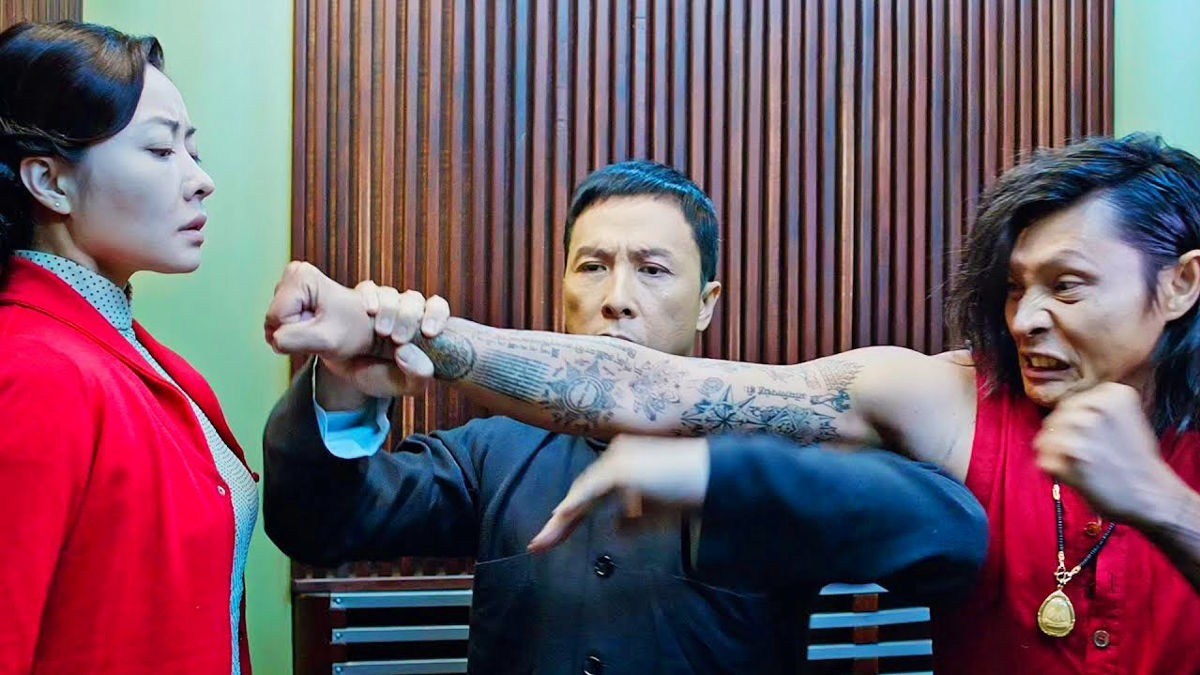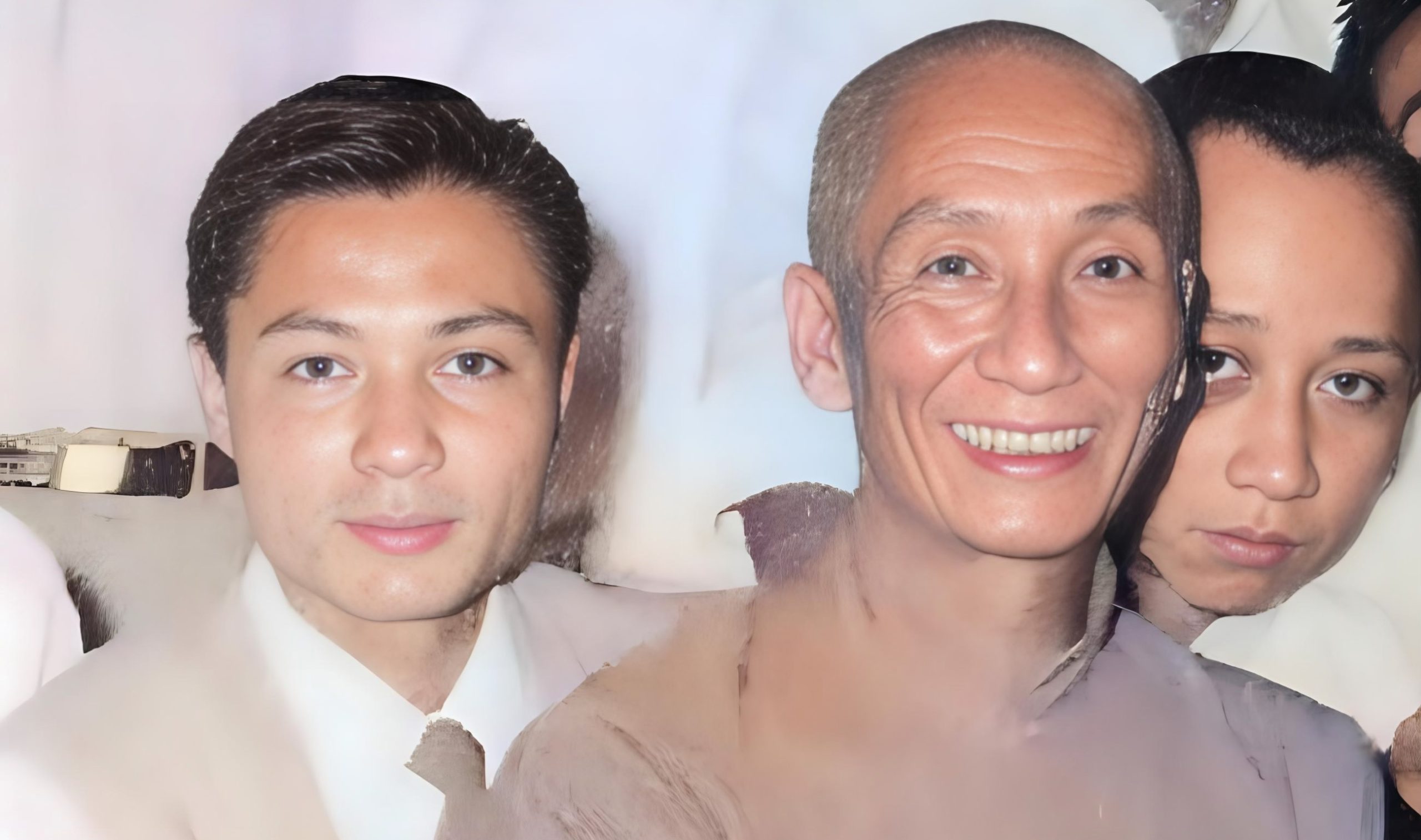
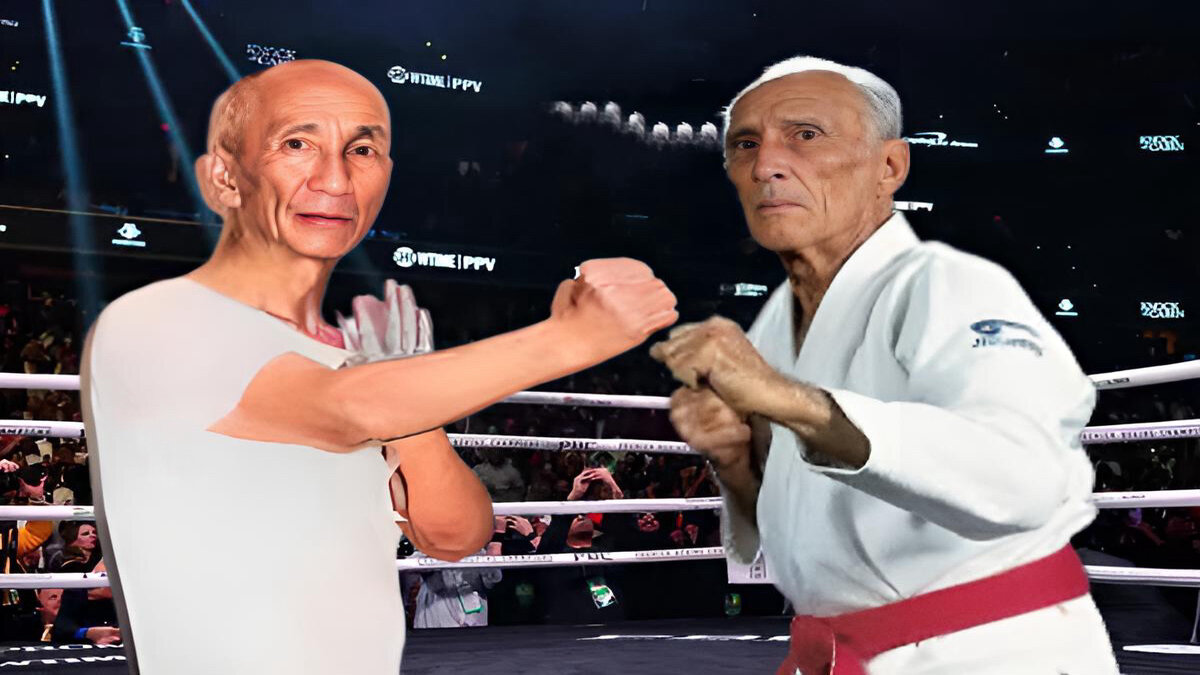
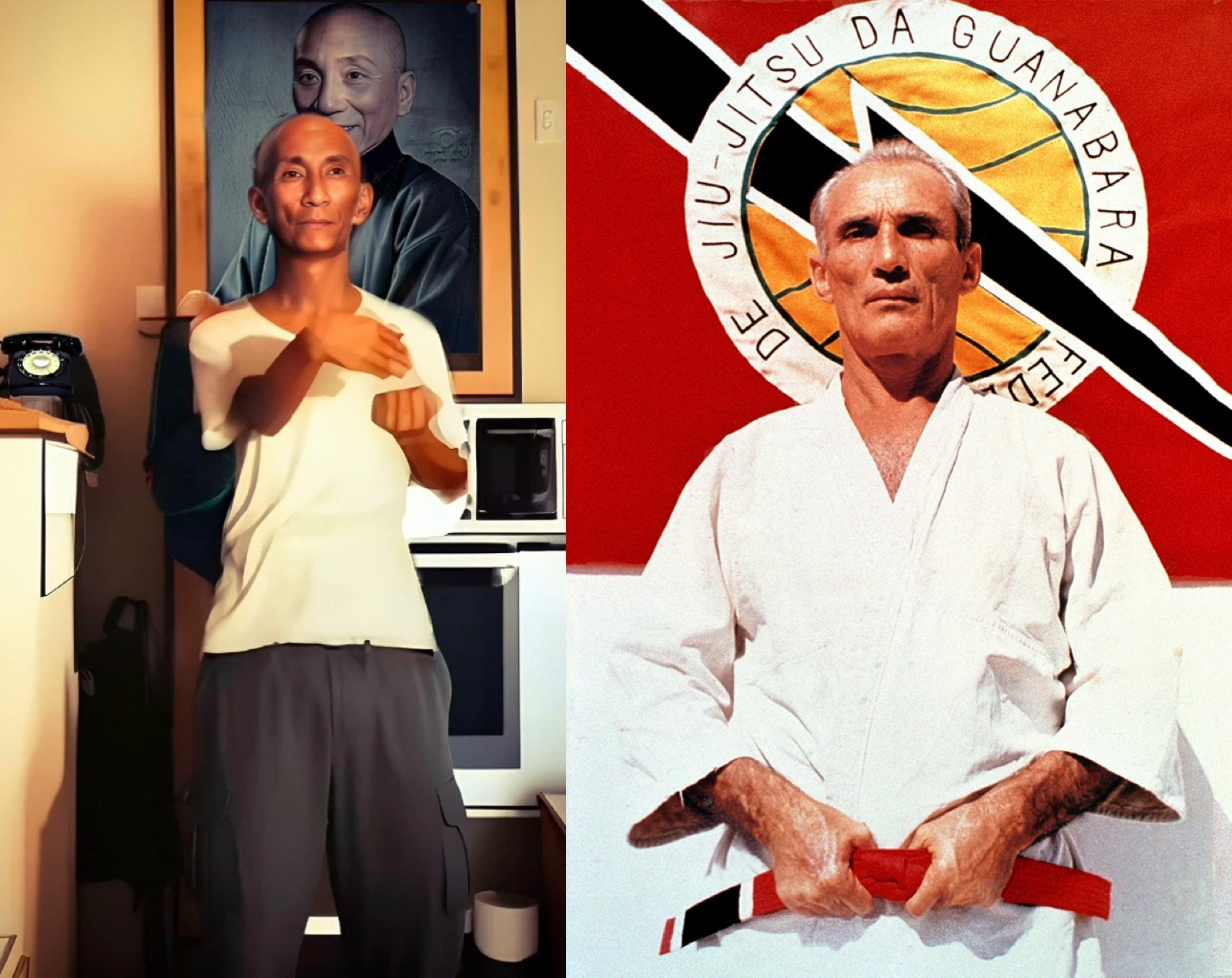
In the realm of martial arts, the clash of titans is often a subject of fascination for enthusiasts and spectators alike. In this hypothetical face-off, we bring together two legends, each representing distinct styles that have left an indelible mark on the history of martial arts. Ip Man, revered for his mastery of Wing Chun, and Hélio Gracie, celebrated as a pioneer of Brazilian Jiu-Jitsu, stand at the center of our imaginary battleground. Before delving into the analysis of their potential face-off, let’s explore the backgrounds that shaped these iconic figures.
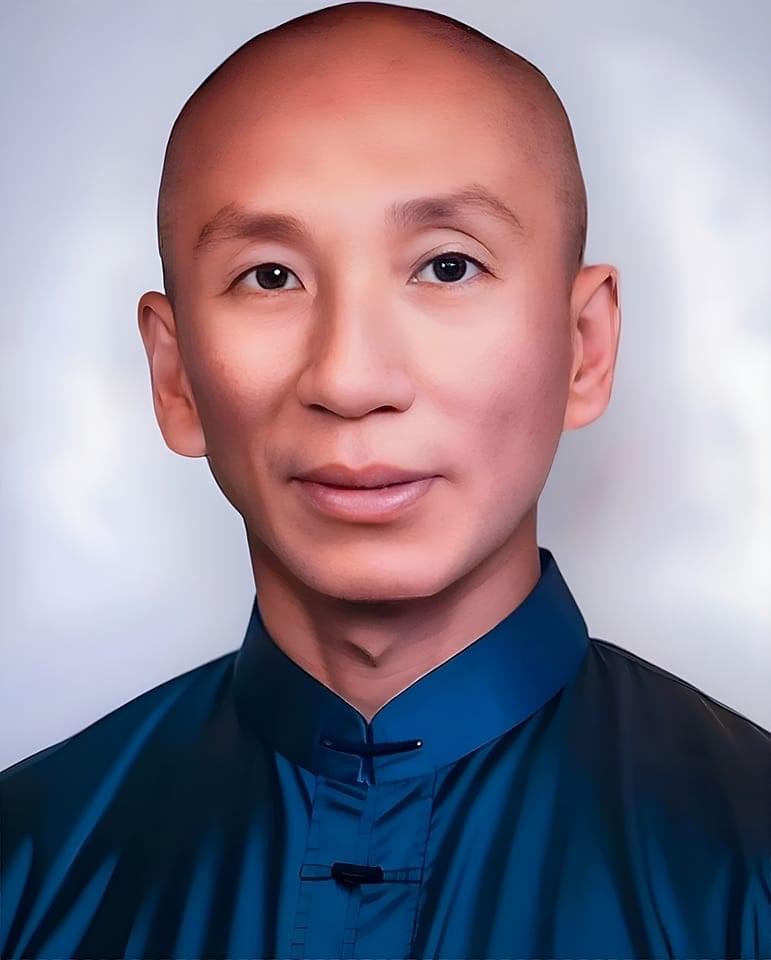
Ip Man (Oct 1st 1893 – Dec 2nd 1972)
Ip Man, born Yip Man, was a Chinese martial artist renowned for popularizing Wing Chun, a style characterized by efficiency, economy of motion, and close-range combat proficiency. Born in 1893 in Foshan, China, Ip Man’s journey in martial arts led him to become the grandmaster of Wing Chun, with a legacy that influenced generations of practitioners. His teachings, particularly to a young Bruce Lee, catapulted Wing Chun onto the global stage.
Hélio Gracie (Oct 1st 1913 – Jan 29th 2009)
On the other side of this hypothetical confrontation is Hélio Gracie, a Brazilian martial artist who played a pivotal role in the development and popularization of Brazilian Jiu-Jitsu (BJJ). Born in 1913 in Brazil, Hélio was a member of the famed Gracie family, whose members were instrumental in adapting Japanese Jiu-Jitsu into the more ground-focused and leverage-based Brazilian Jiu-Jitsu. Hélio Gracie’s contributions turned BJJ into a dominant force in the martial arts world.
Now, let’s dissect the critical fact.
Power
In the sphere of physical prowess, Ip Man stands as a paragon of power, drawing from the rich tapestry of Wing Chun’s combat philosophy. Wing Chun, with its emphasis on economy of motion and explosive strikes, allows Ip Man to harness formidable power within the confines of close-quarters combat. The intricacies of Wing Chun techniques, honed through years of dedicated practice, amplify Ip Man’s ability to generate force, making him a forceful contender in any martial arts encounter.
Winner: Ip Man
Speed
The fluidity of Ip Man’s movements not only underscores his power but also accentuates his remarkable speed. The dance-like footwork inherent in Wing Chun not only facilitates strategic control over the engagement distance but also enables Ip Man to execute rapid, precisely timed strikes. His agility, coupled with a keen understanding of timing and rhythm, positions Ip Man as an exemplar of speed in this hypothetical face-off.
Winner: Ip Man
Footwork
Wing Chun’s strategic emphasis on footwork becomes a defining aspect of Ip Man’s martial artistry. His mastery of intricate foot maneuvers not only enhances his speed and agility but also allows him to dictate the pace of the confrontation. The nuanced dance of positioning and evasion, woven into Wing Chun’s fabric, becomes a potent weapon in Ip Man’s arsenal, providing him with a dynamic advantage in the hypothetical clash.
Winner: Ip Man
Techniques
As the focus shifts to the realm of techniques, Hélio Gracie emerges as a virtuoso, especially in the intricate domain of Brazilian Jiu-Jitsu. The hallmark of BJJ lies in its ground-focused tactics, leveraging submissions and positional control. Hélio’s profound understanding and application of these techniques, particularly in the intricate world of ground combat, positions him as a craftsman of martial arts techniques, capable of navigating and dominating in the most nuanced scenarios.
Winner: Hélio Gracie
Defense
The art of defense is a stronghold for Hélio Gracie, forged through years of refining the defensive principles inherent in Brazilian Jiu-Jitsu. His defensive acumen is not merely reactive but strategic, embodying the essence of BJJ’s philosophy, which empowers practitioners to nullify an opponent’s aggression through calculated defensive maneuvers. Hélio’s ability to thwart attacks and seamlessly transition from defense to offense adds an additional layer of complexity to his martial prowess.
Winner: Hélio Gracie
Lineage
Delving into the historical lineage, Ip Man’s influence becomes a narrative woven into the very fabric of martial arts history. The global dissemination of Wing Chun’s principles, catalyzed by Ip Man’s teachings and further propelled by the legendary Bruce Lee, positions Ip Man as a patriarch in the martial arts lineage. The profound impact and enduring legacy of Wing Chun reverberate through generations, solidifying the historical significance of Ip Man’s lineage.
Winner: Ip Man
Intangibles
In the ethereal realm of intangibles, Hélio Gracie casts a formidable shadow. Beyond the tangible skills, his martial arts journey is punctuated by intangible qualities such as resilience, adaptability, and a mindset intrinsic to Brazilian Jiu-Jitsu practitioners. BJJ’s ethos, emphasizing the use of leverage and technique to overcome physical strength, mirrors the intangibles that Hélio embodies. His mental fortitude, strategic thinking, and adaptability become potent variables in the hypothetical matchup, adding a layer of depth and intrigue to this imagined martial arts spectacle.
Winner: Hélio Gracie
Conclusion:
In this hypothetical face-off, where power, speed, footwork, techniques, defense, lineage, and intangibles play crucial roles, Ip Man emerges as the likely victor. His well-rounded skill set, coupled with the global impact of Wing Chun, tips the scales in his favor. While Hélio Gracie’s proficiency in Brazilian Jiu-Jitsu and his family’s unparalleled lineage present formidable challenges, Ip Man’s overall strengths position him as the hypothetical winner in this clash of martial arts legends.
Winner: Ip Man