
Introduction
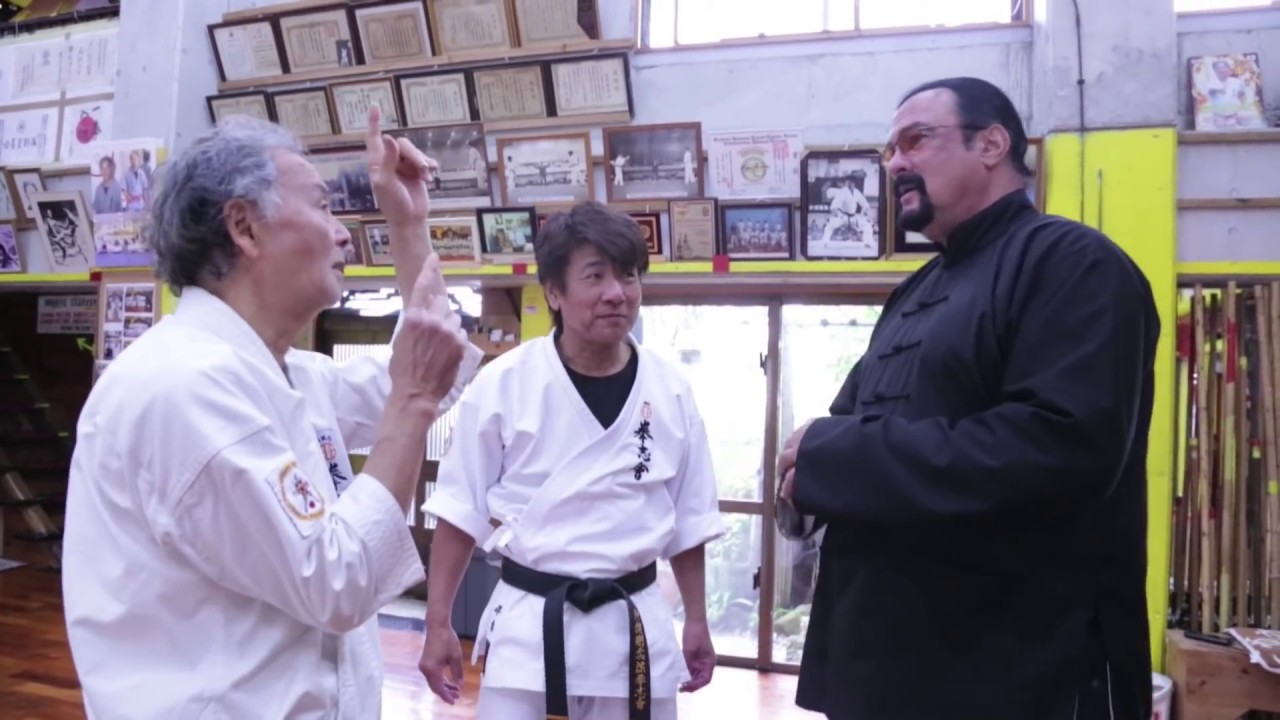
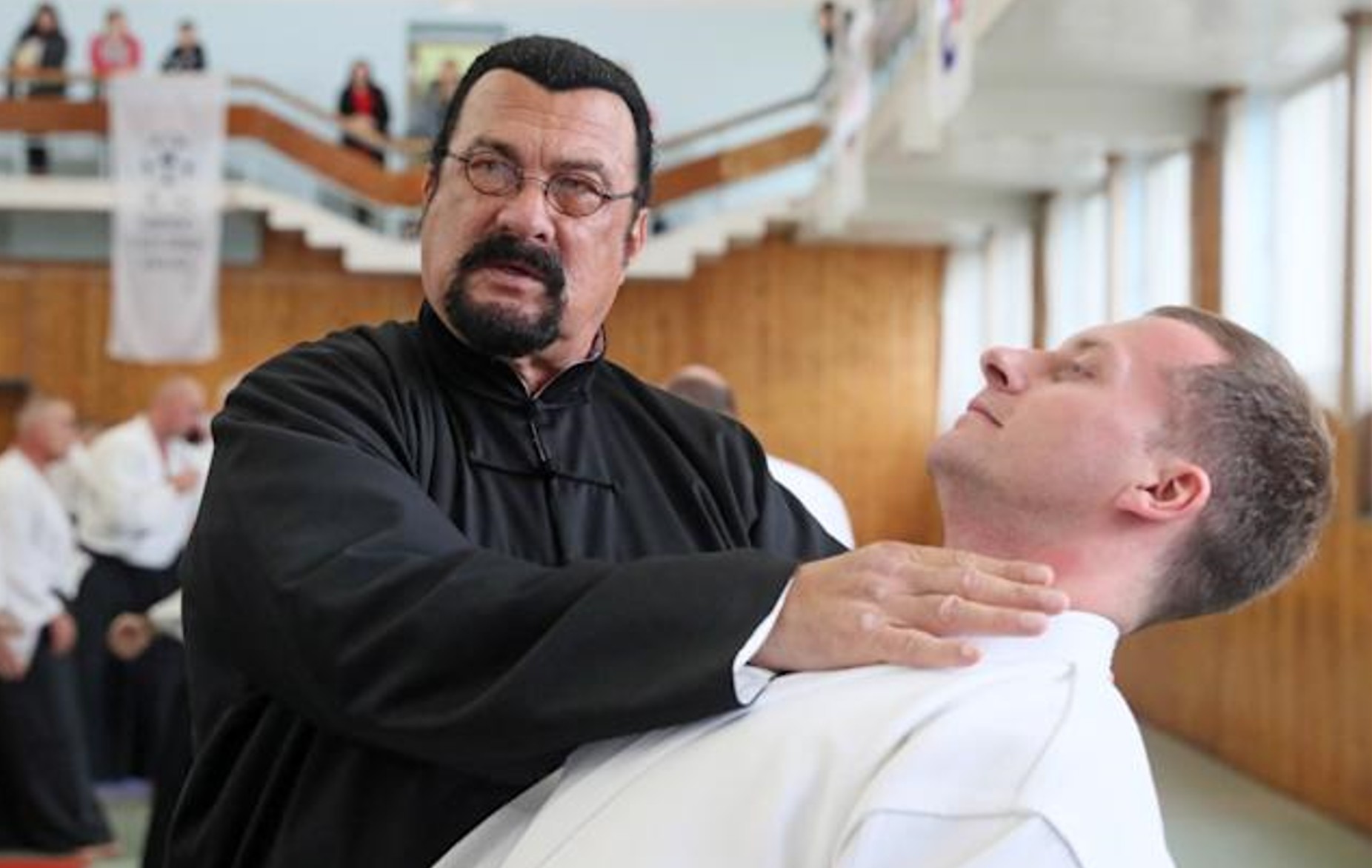
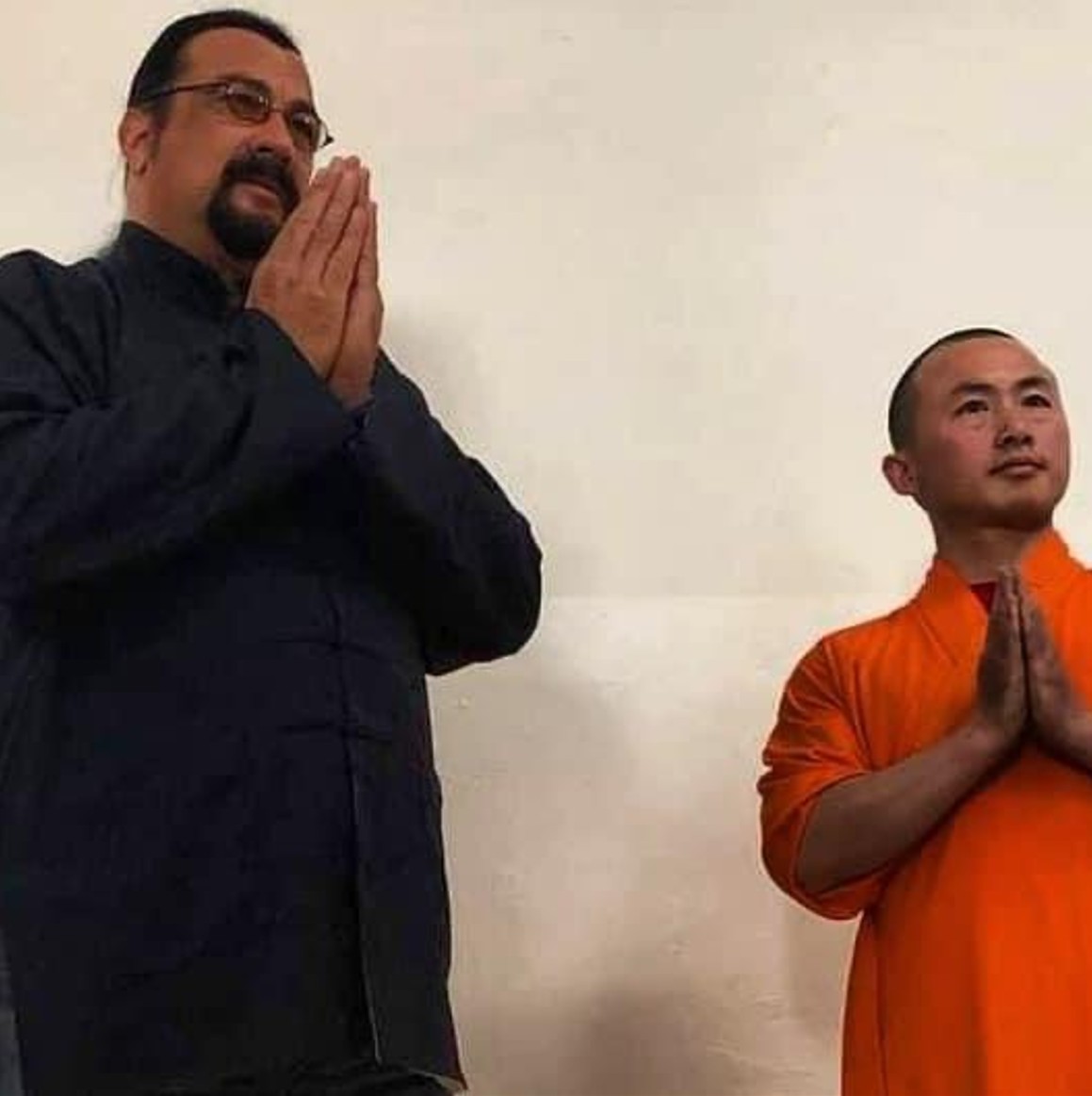
The clash between Steve Seagal, a master of Aikido, and a Shaolin Monk, a practitioner of Kung Fu, is the stuff of martial arts legends. Both Aikido and Kung Fu are revered martial arts with rich histories, and this battle of styles promises to be a mesmerizing spectacle. In this essay, we will delve deep into their differences, comparing them in terms of Power, Speed, Footwork, Technique, Defense, Lineage, and the intangible elements that make each style unique. We will also discuss the challenges of finding authentic Shaolin Kung Fu, highlighting the prevalence of fake teachers and the difficulty of joining the Shaolin Temple to learn the real art.
Power
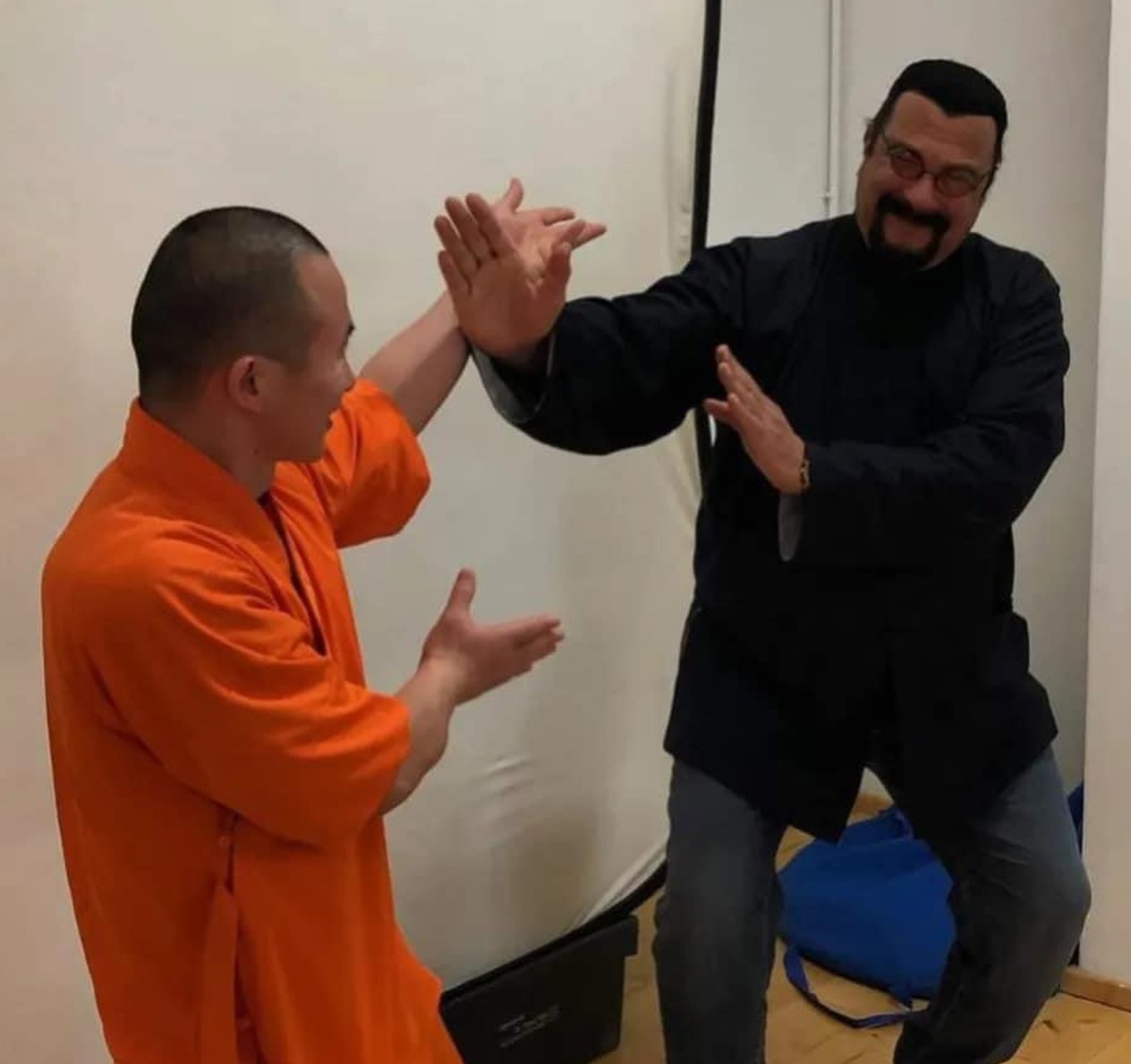
Steve Seagal is renowned for his devastating power in Aikido. Aikido is often described as a “soft” martial art, emphasizing fluidity and redirection of an opponent’s energy. However, Seagal’s unique interpretation of Aikido infuses his techniques with incredible power. He can execute throws and joint locks that seem effortless but are brutally effective.
In contrast, Kung Fu practitioners, particularly Shaolin Monks, are known for their explosive power. Kung Fu relies on harnessing and delivering immense power through strikes, kicks, and acrobatic movements. The focus on physical conditioning in Shaolin Kung Fu ensures that its practitioners possess formidable strength.
Speed
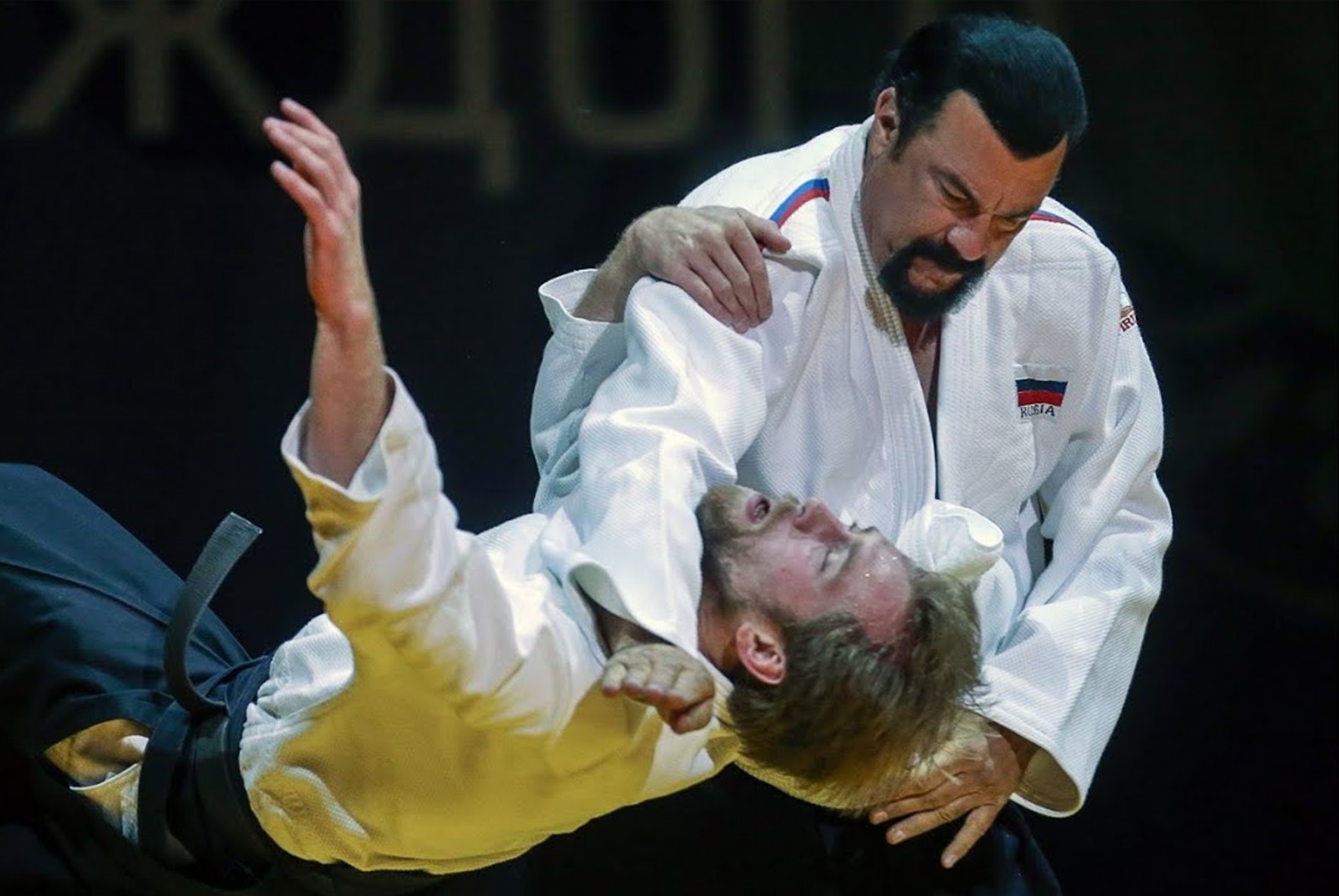
Aikido, with its graceful and flowing movements, may not seem like the fastest martial art at first glance. However, Steve Seagal’s understanding of timing and leverage allows him to respond with incredible speed. His ability to redirect an opponent’s energy and counterattack is swift and efficient.
Kung Fu, on the other hand, is known for its lightning-fast strikes and acrobatic kicks. Shaolin Monks undergo rigorous training to develop speed and precision, making them capable of delivering rapid and devastating blows. The speed of Kung Fu strikes can be mesmerizing to watch.
Footwork
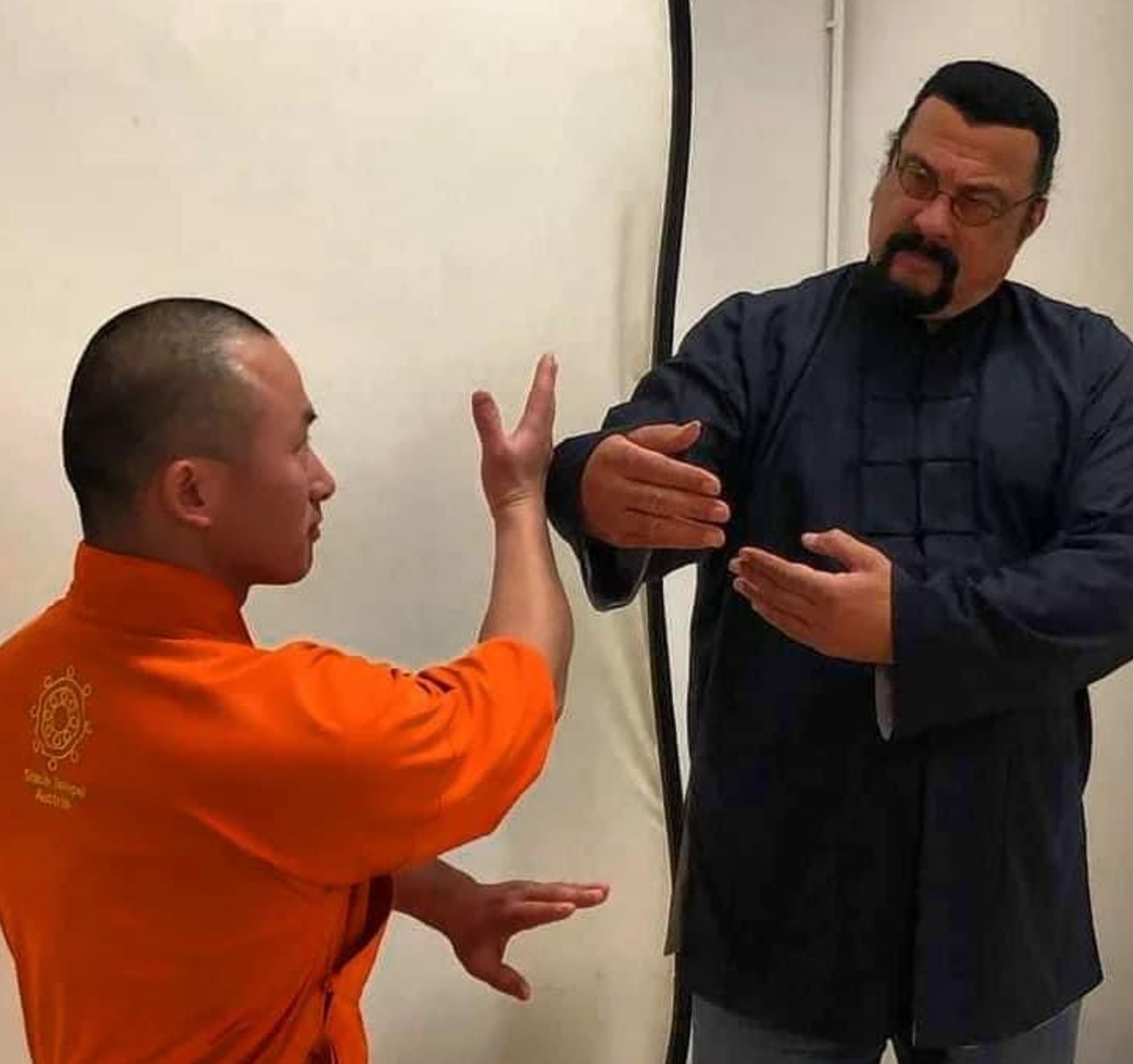
Aikido places a strong emphasis on footwork. Steve Seagal’s mastery of balance and movement is evident in his seamless transitions and evasive maneuvers. Aikido’s circular footwork allows practitioners to control and redirect their opponent’s attacks effectively.
Kung Fu also places great importance on footwork, but in a different manner. Shaolin Kung Fu incorporates agile footwork and intricate stances, which enable practitioners to quickly reposition themselves and launch powerful attacks. The footwork in Kung Fu is not just about defense but also plays a crucial role in delivering powerful strikes.
Technique
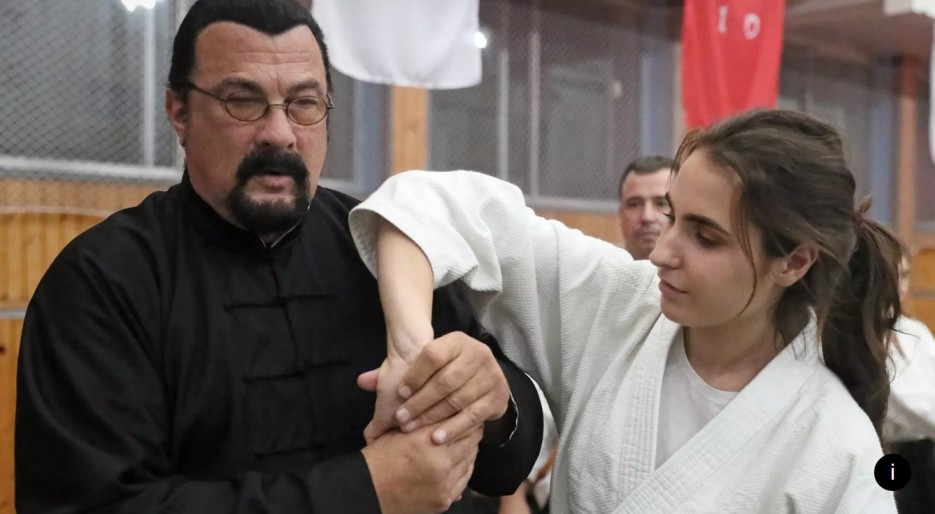
Aikido’s techniques are based on the principle of non-resistance. It focuses on redirecting an opponent’s energy and using it against them. The techniques in Aikido involve joint locks, throws, and pins. Steve Seagal has refined these techniques to a level where he can effortlessly neutralize his opponents.
Kung Fu techniques are more diverse, ranging from striking and kicking to joint locks and throws. Shaolin Kung Fu encompasses a wide array of forms, each with unique techniques. The Shaolin Monks’ intricate forms are known for their beauty and effectiveness in combat. Kung Fu techniques often incorporate elements of both hard and soft styles, providing a well-rounded arsenal.
Defense
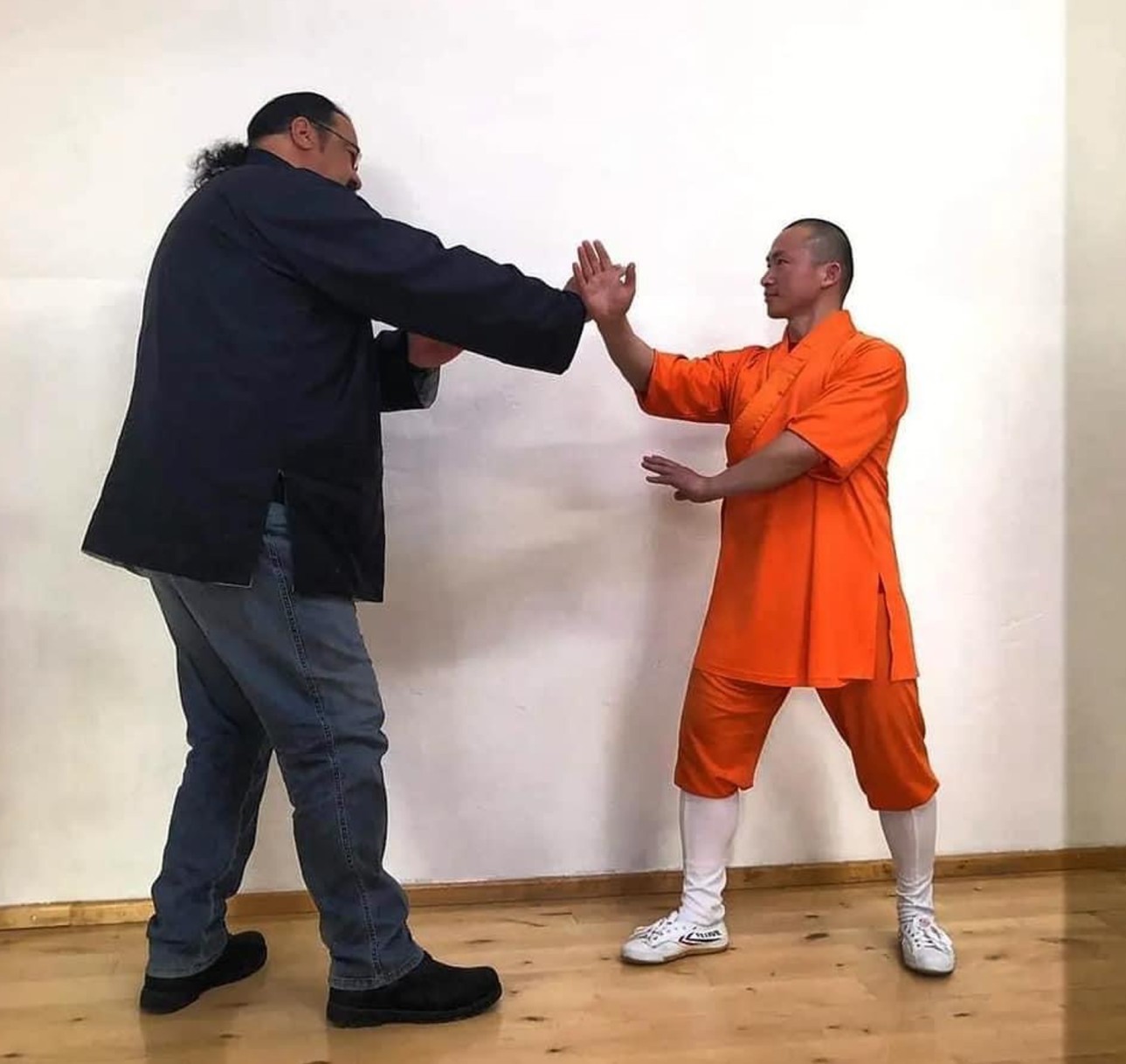
Aikido’s defensive techniques are intricate and often rely on the opponent’s energy and intention. Aikido practitioners like Steve Seagal can effectively defend against various types of attacks, making them challenging targets for adversaries.
Kung Fu also places a strong emphasis on defense. Shaolin Kung Fu includes defensive moves that seamlessly transition into counterattacks. The speed and precision of Kung Fu strikes can serve as a potent form of defense. It’s worth noting that both Aikido and Kung Fu emphasize using the attacker’s energy against them.

Lineage
Aikido traces its roots back to the founder, Morihei Ueshiba, who developed the art in the early 20th century. Steve Seagal is one of the most well-known and accomplished Aikido practitioners, having studied under some of the art’s greatest masters.
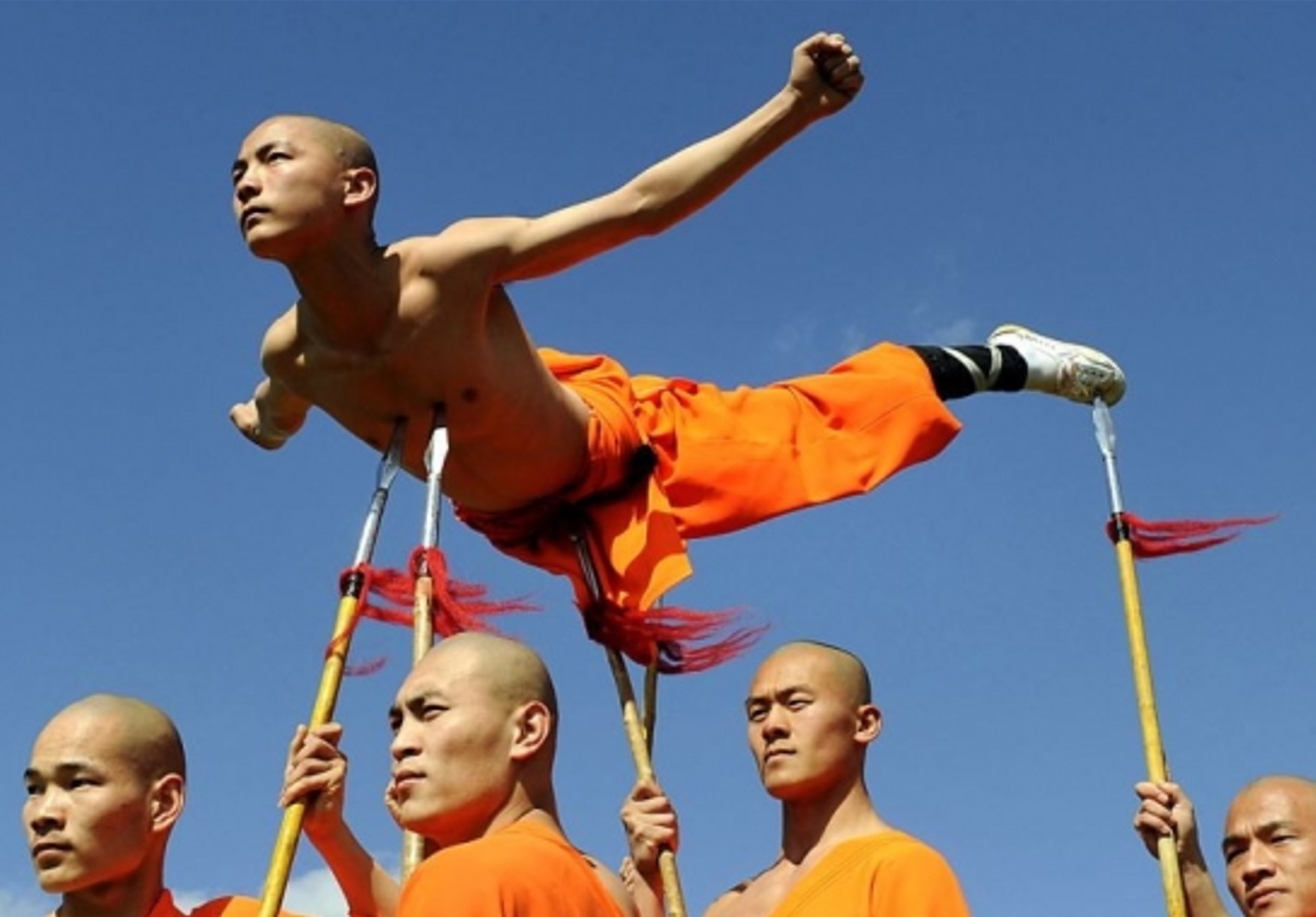
Shaolin Kung Fu boasts a lineage that spans over a thousand years, with its origins in the Shaolin Temple in China. This ancient lineage is preserved by the Shaolin Monks, who have dedicated their lives to the art. The extensive history and heritage of Kung Fu make it a revered martial art.
Intangibles
In the realm of martial arts, intangible elements play a significant role. These are qualities that are difficult to quantify but are essential for an effective fighter.
Steve Seagal possesses an aura of calm confidence, which is a common trait among accomplished Aikido practitioners. The ability to remain composed in the face of danger can be a potent intangible asset. His profound understanding of human kinetics allows him to anticipate and neutralize threats effectively.
Shaolin Monks, on the other hand, are renowned for their extraordinary discipline and mental fortitude. The years of rigorous training and meditation impart a sense of inner strength and resilience. This mental discipline can be a formidable intangible asset in combat.
Conclusion
The clash between Steve Seagal, representing Aikido, and a Shaolin Monk, representing Kung Fu, is a mesmerizing battle of styles. Both martial arts have their unique strengths and attributes, making them formidable in their own right.
While Aikido showcases incredible power, speed, and technique, Kung Fu, particularly Shaolin Kung Fu, offers explosive power, lightning-fast strikes, and a wide array of techniques. Both arts emphasize defense, with Aikido focusing on non-resistance and redirection, while Kung Fu employs intricate forms and rapid strikes.
The lineage of Aikido is well-documented, with Steve Seagal being a prominent figure in the art. In contrast, the ancient and revered lineage of Shaolin Kung Fu, preserved by the Shaolin Monks, adds a layer of mystique and authenticity.
Intangible elements, such as composure and mental discipline, are critical in martial arts. Steve Seagal’s calm confidence and understanding of human kinetics serve as intangible assets, while the Shaolin Monks’ extraordinary discipline and inner strength provide them with unique advantages.
In the end, the battle between Aikido and Kung Fu is not about which is superior, but a celebration of the diversity and richness of martial arts. But if we were choosing one, we would pick Kung Fu to win!
Tell us in the comment section who you think would win this super fight?
Click Image To Buy Mug 👇