The Wealthy Boy Who Chose Kung Fu
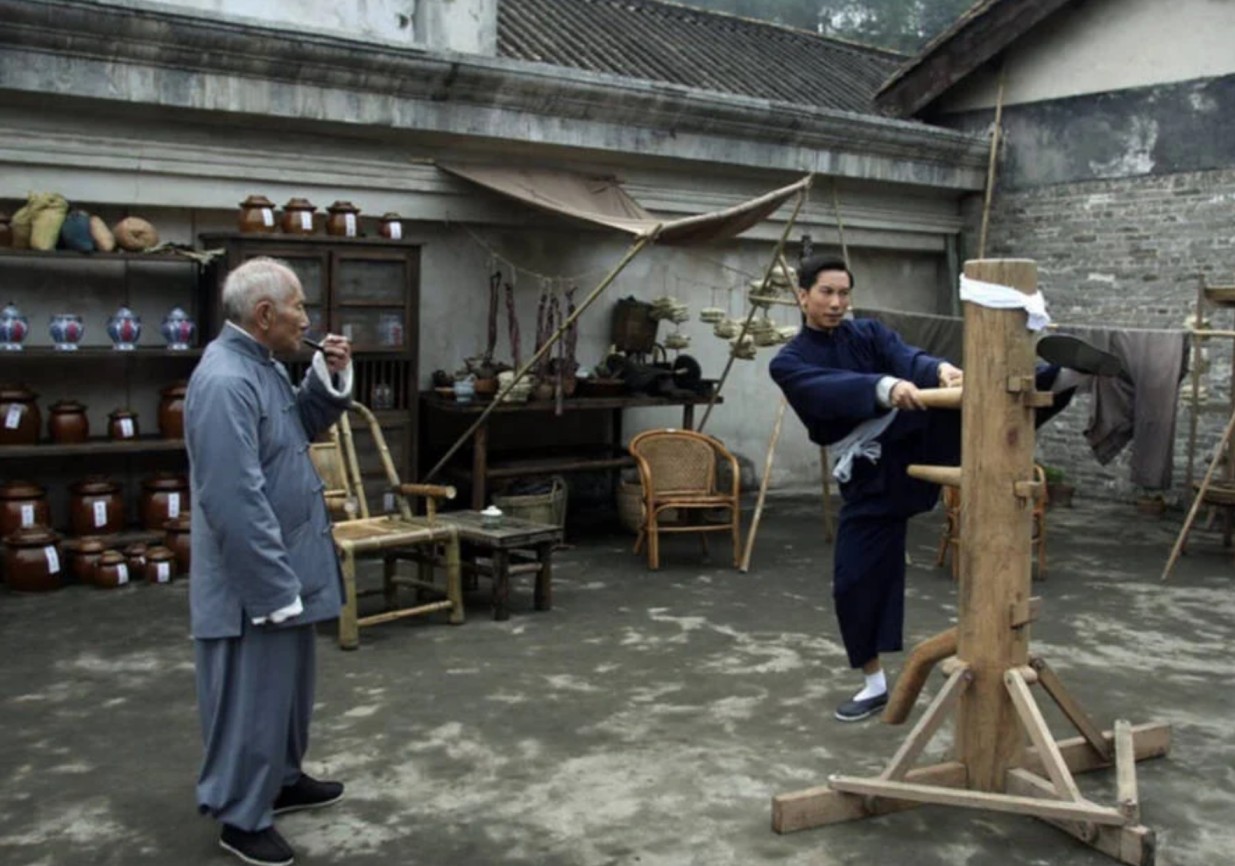
Ip Man was born in 1893 in Foshan, a culturally rich city in Guangdong Province, southern China. He came from a prestigious and wealthy family, allowing him access to education and opportunities most children in his era could only dream of. With his privileged background, he began studying martial arts at the age of 11 under Wing Chun master Chan Wah-shun. His teacher was nicknamed “Money Exchanger Wah” because of his high teaching fees—so expensive, they could buy a bride in those days. Despite the cost, Chan Wah-shun only taught a handful of students, and Ip Man was one of them. After Chan’s death, Ip Man continued learning from his teacher’s senior disciples. This early exposure to elite training helped shape his strong foundation in Wing Chun.
Humbled in Hong Kong
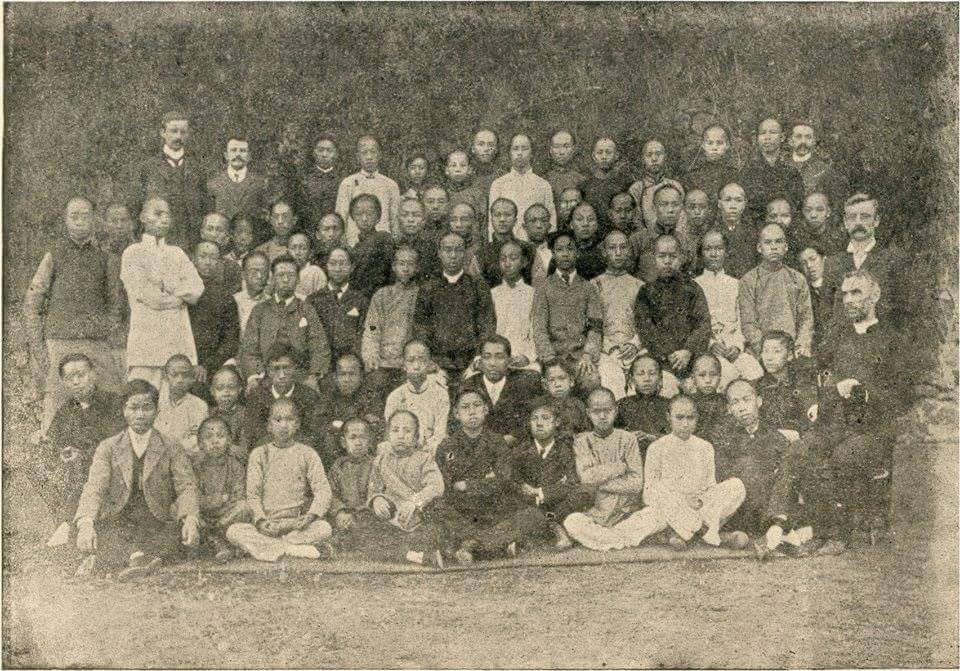
As a teenager, Ip Man moved to Hong Kong to attend St. Stephen’s College, a prestigious school that still exists today. While there, he encountered Leung Bik, a man in his 50s and the son of Chan Wah-shun’s own teacher. Ip Man, confident in his skills, accepted a sparring match and expected an easy win. Instead, he was quickly and decisively defeated. Rather than reacting with arrogance or resentment, Ip Man was deeply humbled—and impressed. Leung Bik, recognizing his potential, offered to train him further. This chapter of his life taught Ip Man a valuable lesson in humility, and further deepened his knowledge and refinement of Wing Chun techniques.
The Man Who Defended Foshan
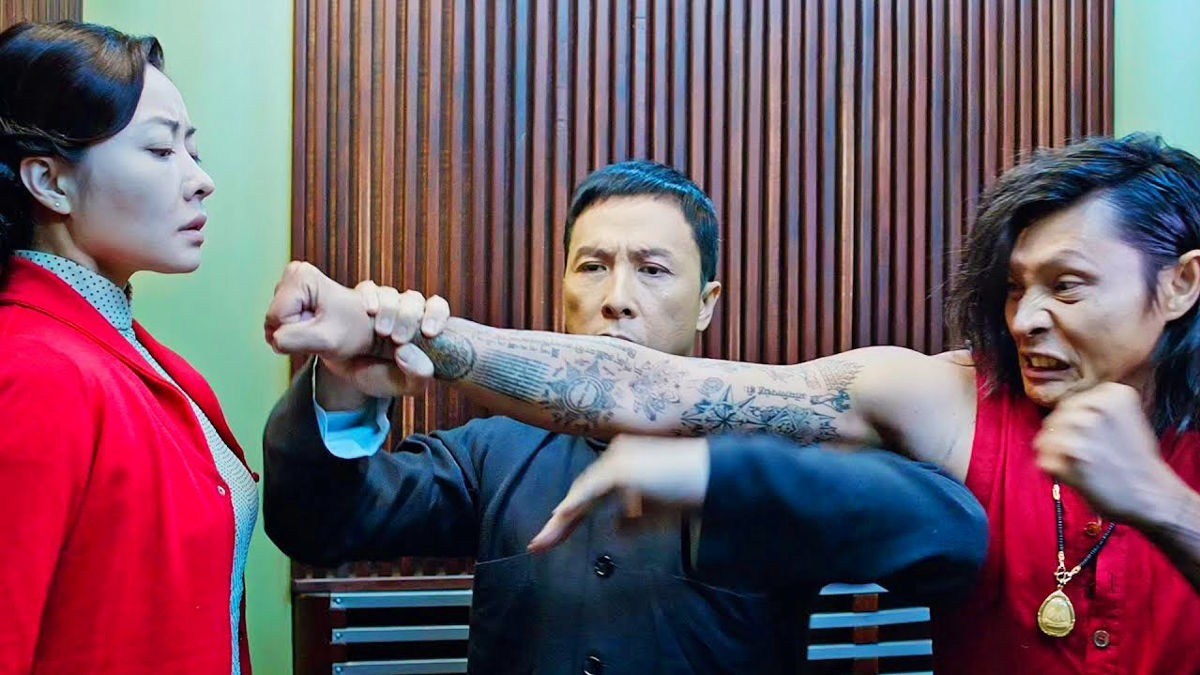
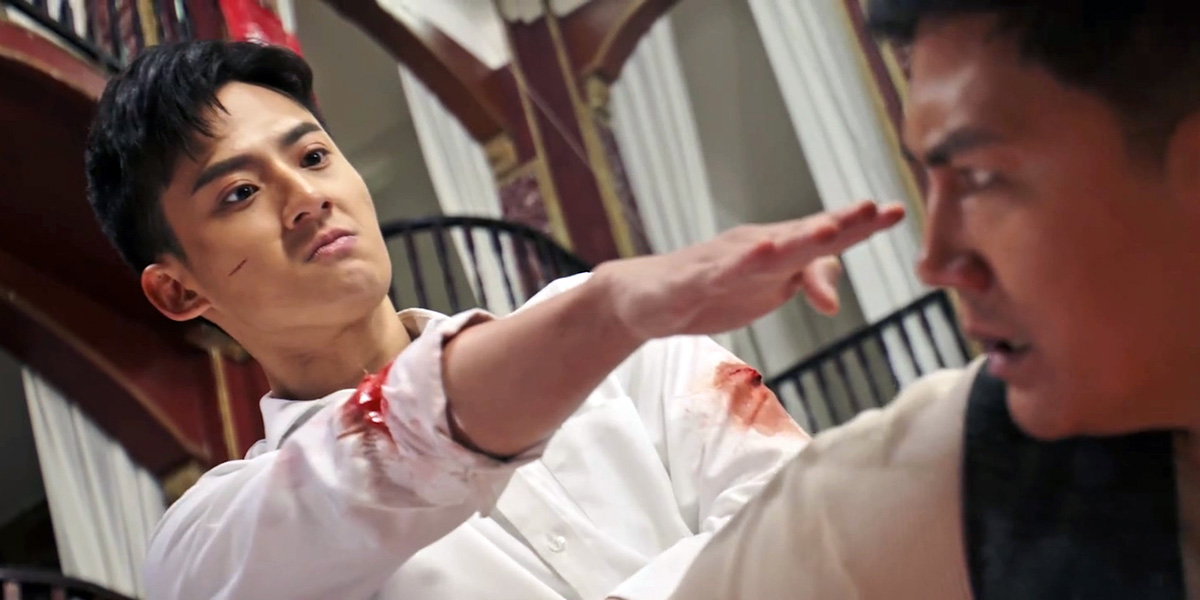
After finishing his studies, Ip Man returned to Foshan, married, and had four children. He also worked as a police officer for the Nationalist government while continuing to teach Wing Chun. During the 1920s, a Northern Chinese martial artist—reportedly trained in either Eagle Claw or Praying Mantis—came to Foshan and challenged the local masters. In the Donnie Yen movie, Ip Man takes up the challenge and restores local pride by defeating the intruder. In real life, some say Ip Man did take part in the challenge, while others credit a fellow master named Yuan Kay-shan. Either way, the incident boosted the reputation of the Wing Chun community in southern China. It also began cementing Ip Man’s reputation as a formidable martial artist.
Fiction vs. Reality in Wartime China
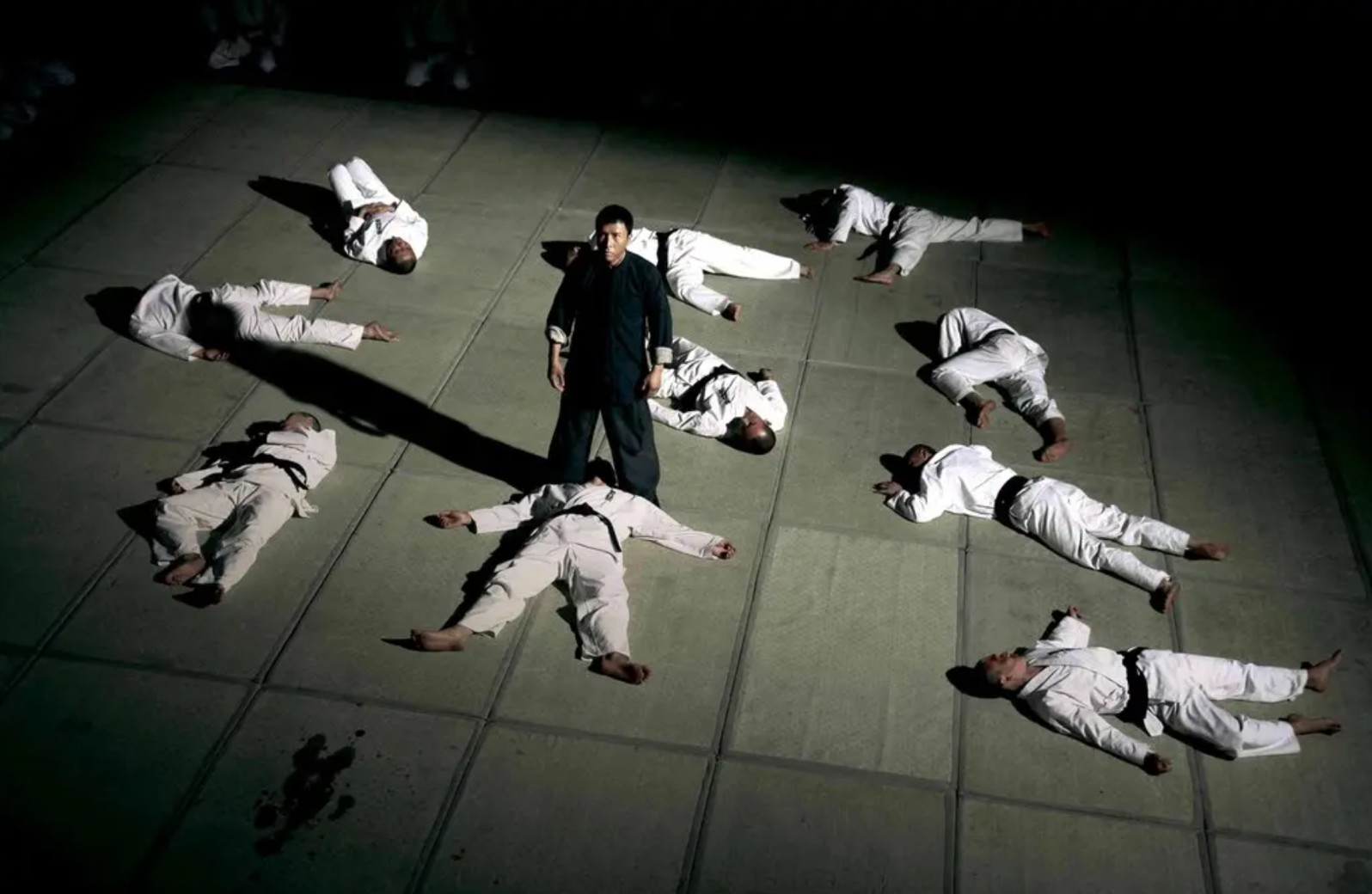
When Japan invaded China during the Second Sino-Japanese War (1937–1945), Foshan was occupied, and life became extremely difficult for civilians. Ip Man’s position as a former police officer for the Nationalist government placed him in political danger. The movies dramatize this time, showing him fighting multiple Japanese black belts and even killing a Japanese general—but none of this is historically documented. In truth, Ip Man tried to keep a low profile and protect his family as best he could. He likely lost most of his family wealth during this time, as did many families affected by the war. When the war ended, things didn’t get easier—instead, China entered a civil war, and the Communist Party soon took control.
A Family Torn Apart by History
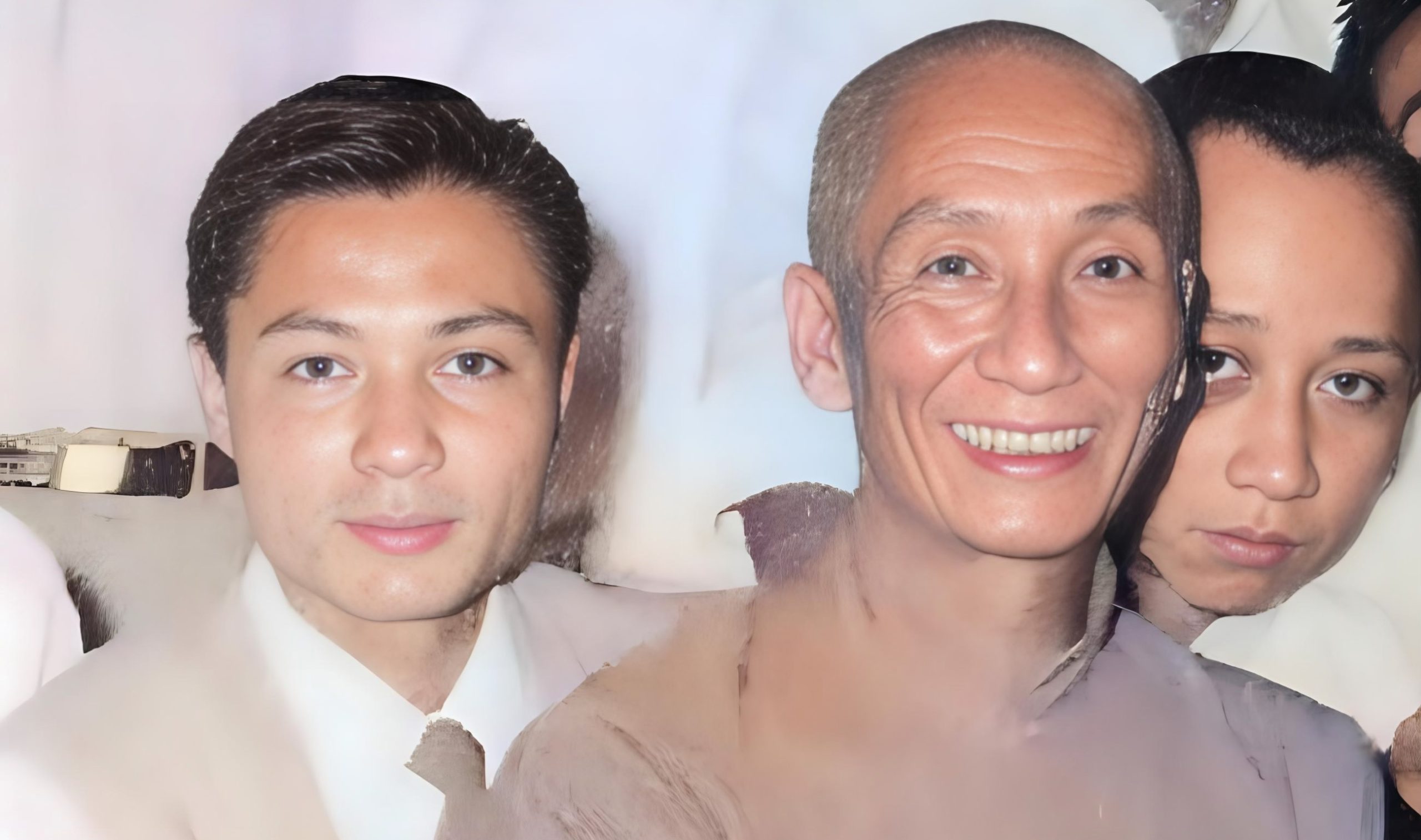
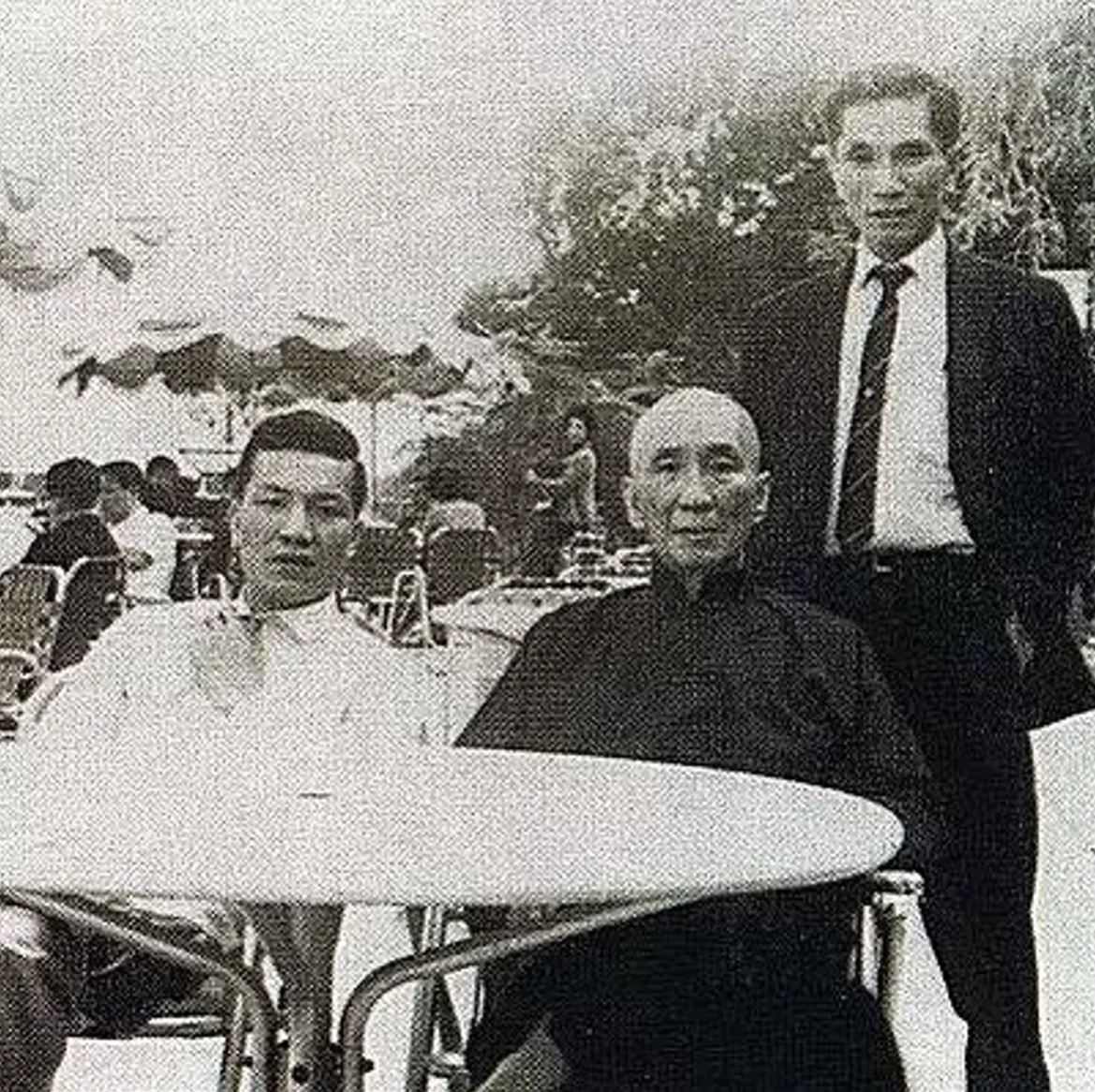
In 1949, as the Communist Party seized power in China, Ip Man—being associated with the rival Nationalist regime—fled to Hong Kong. He arrived with his wife and eldest daughter, intending to settle and then bring the rest of the family over. But in 1950, his wife and daughter returned briefly to Foshan to retrieve their identification papers. Tragically, the Chinese border was closed shortly afterward, and they were unable to return. Ip Man never saw his wife again; she passed away in 1960. This personal tragedy is rarely addressed in the movies, but it haunted him for the rest of his life. Alone and exiled, Ip Man had to start over—both as a teacher and as a man.
The Hard Years in Hong Kong
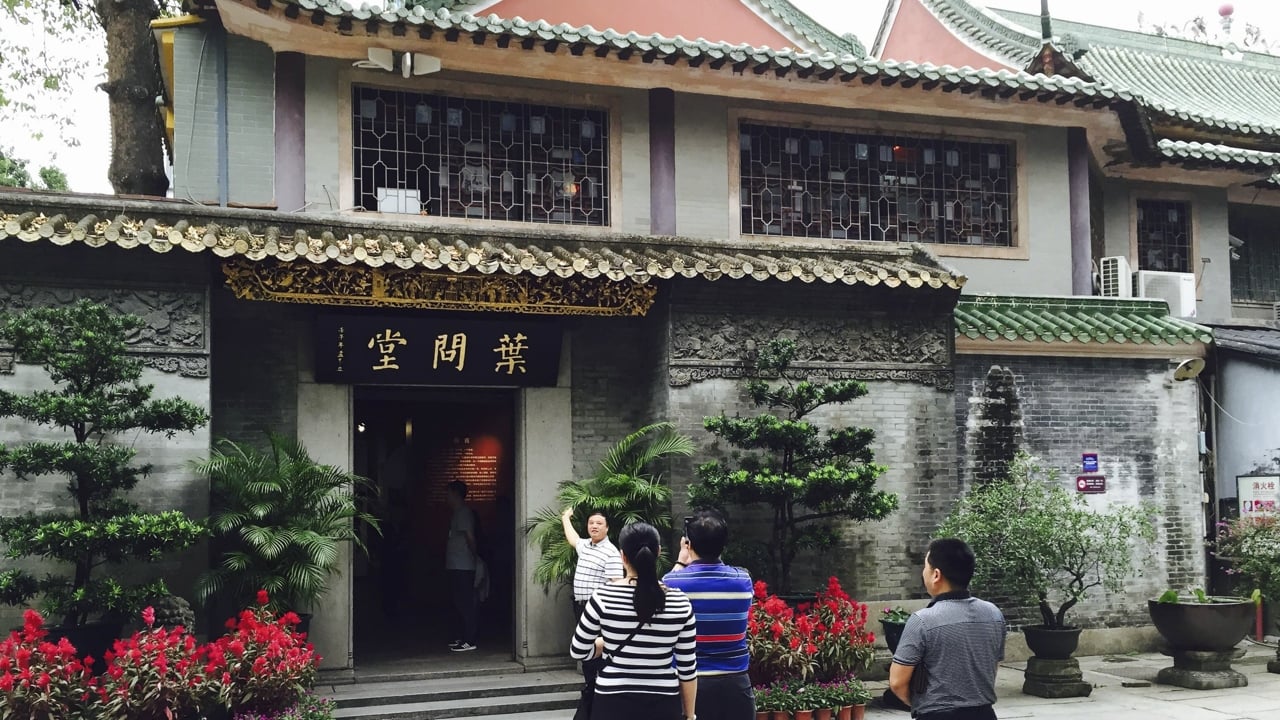
With no financial support and a broken heart, Ip Man began teaching Wing Chun to make a living. He started small, teaching mostly restaurant workers and blue-collar laborers in tiny rooms with no ventilation or equipment. He often couldn’t afford rent and relied on students’ generosity just to survive. Around this time, he developed an opium addiction—common in that era—and had a romantic relationship with a woman from Shanghai, with whom he had a son. Despite his personal troubles, his passion for Wing Chun never faded. As more students trained under him, his style began to spread through Hong Kong’s martial arts scene.

The Boy Who Would Become Bruce Lee
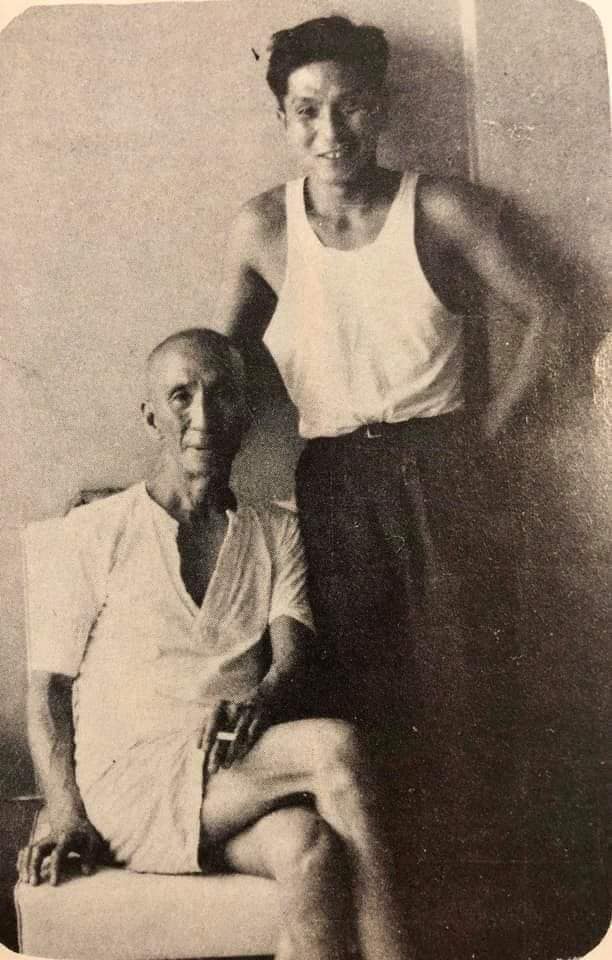
In the mid-1950s, a bold and energetic teenager named Bruce Lee sought to learn from Ip Man. Initially, Ip Man was reluctant due to Lee’s mixed ancestry (his mother was of European descent), which traditionally excluded students from formal instruction. But one of Bruce’s friends convinced Ip Man to accept him. Under Ip Man’s tutelage, Bruce Lee learned not just techniques but timing, economy of motion, and how to control a fight at close range. Bruce would later create Jeet Kune Do, a new martial philosophy that emphasized adaptability and directness. Though some traditionalists criticize him for “breaking away” from Wing Chun, Bruce Lee always credited Ip Man as a major influence. Their student-teacher relationship helped take Wing Chun global.
The Final Years and Lasting Legacy
Ip Man became more widely respected as he aged, though he never grew wealthy. In his final years, he co-founded the Wing Chun Athletic Association in Hong Kong to help formalize and preserve the art. Bruce Lee returned to visit his teacher and requested to film him practicing on the wooden dummy. Ip Man initially declined, preferring to keep his art private, but eventually allowed his son to record him shortly before his death. That rare footage is the only known video of Ip Man in action. He died in 1972 at the age of 79. His students and lineage carried on his teachings, and his name became legendary.
More Than a Movie Hero
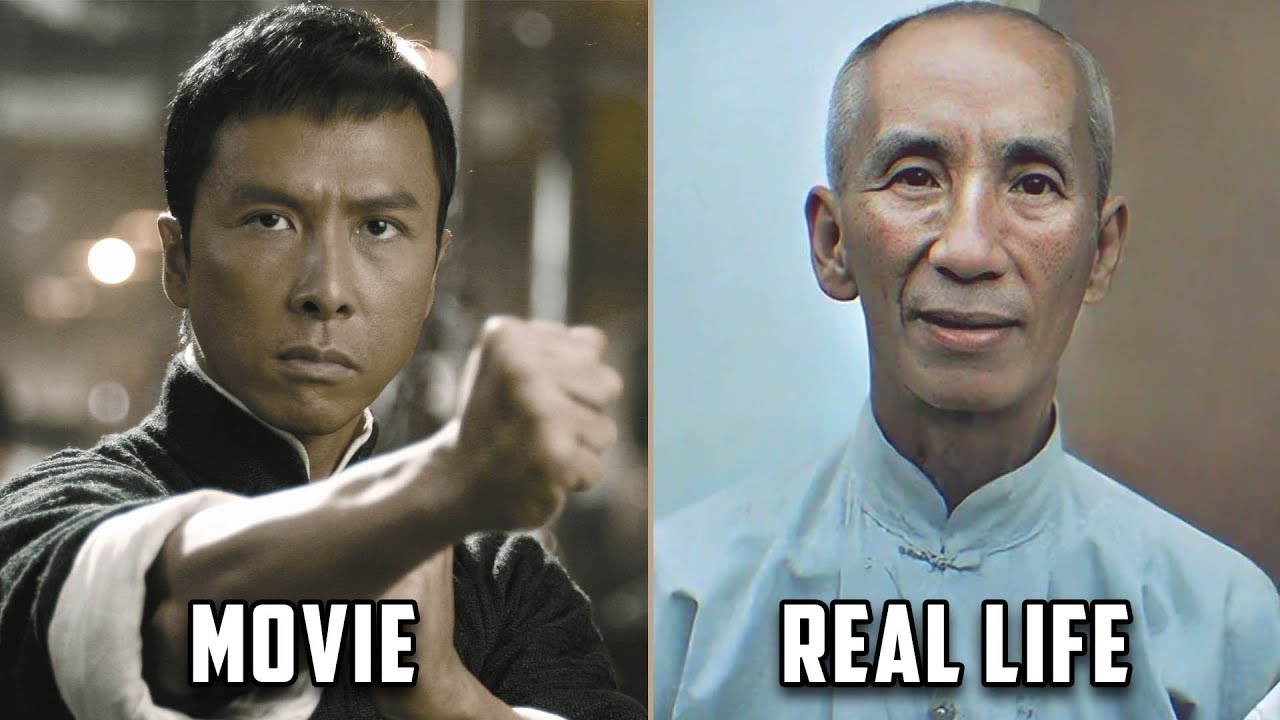
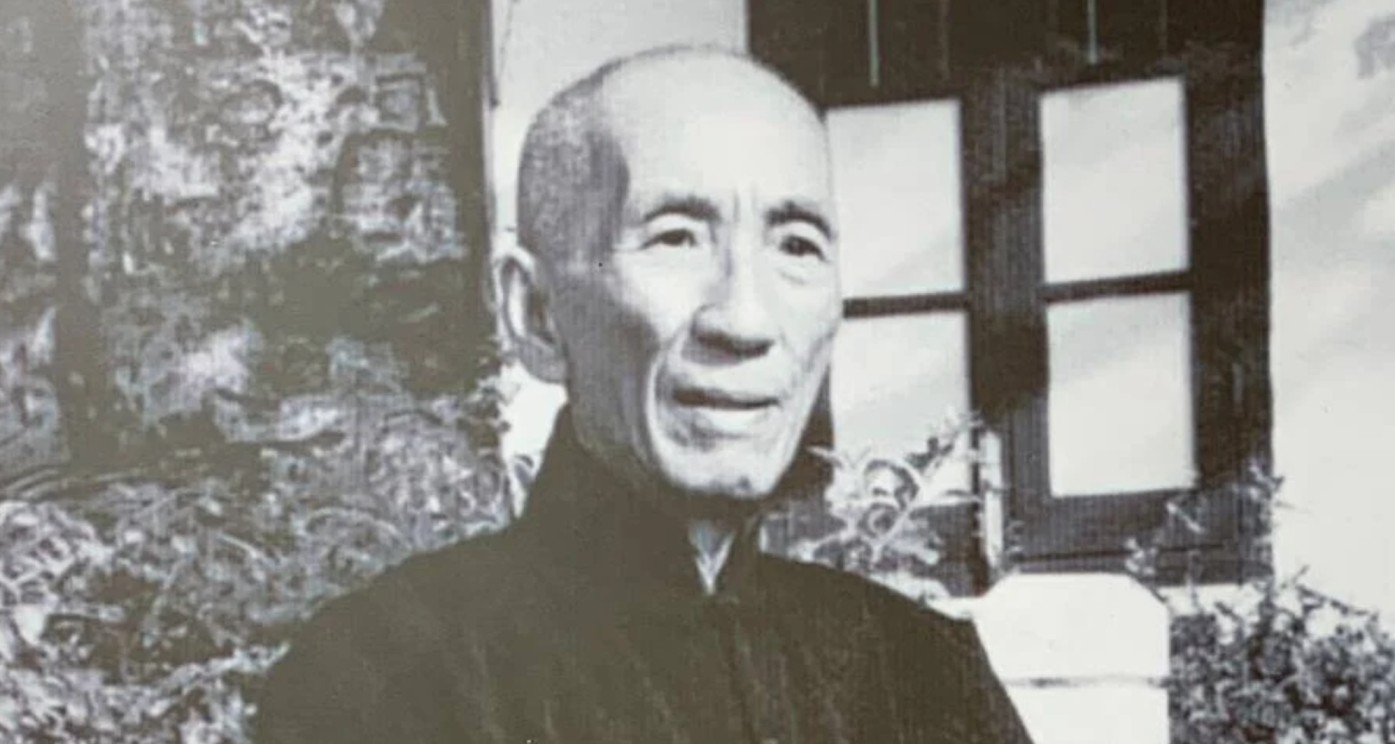
The Ip Man movies turned him into a cultural icon, but the real story is even more compelling. He was not just a fighter, but a man who endured war, personal tragedy, political upheaval, and poverty—all while preserving and spreading his art. He never sought fame, yet helped shape one of the most influential martial arts in the world. From a boy in Foshan to the teacher of Bruce Lee, Ip Man’s legacy is one of quiet resilience and enduring strength. His life reminds us that true mastery isn’t just about skill—it’s about spirit, humility, and passing wisdom forward. Through every punch and form, Wing Chun still speaks his name.