
Becoming Ip Man
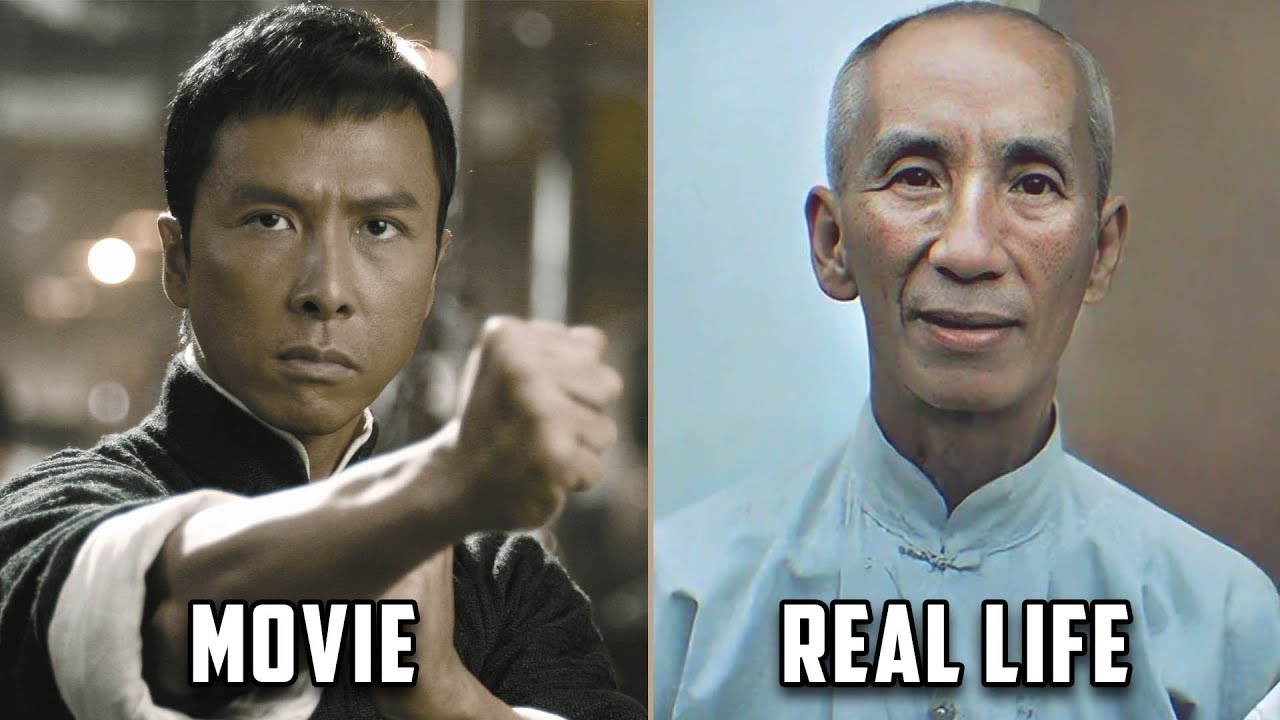
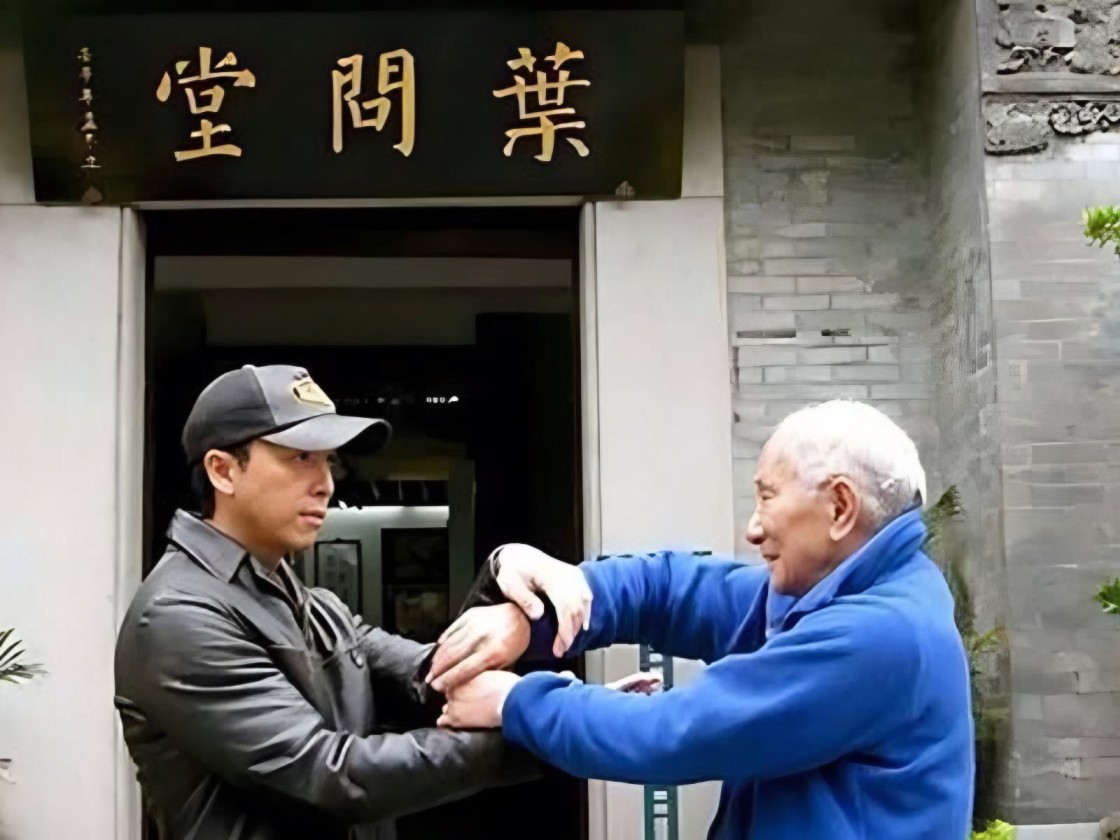
In 2008, Donnie Yen took on the challenging role of Ip Man, a martial arts legend who popularized Wing Chun worldwide. To do justice to the character, Donnie knew he had to master Wing Chun, not just act it. This meant training with the man who knew it best: Ip Chun, Ip Man’s eldest son. Ip Chun was born in 1924 and had been preserving his father’s teachings for decades. Donnie’s dedication was evident from day one, realizing this role was more than just a movie part — it was a responsibility to history. By seeking out Ip Chun, Donnie connected directly to the roots of Wing Chun. This choice set the tone for the authenticity that would define the film.
Training With the Master
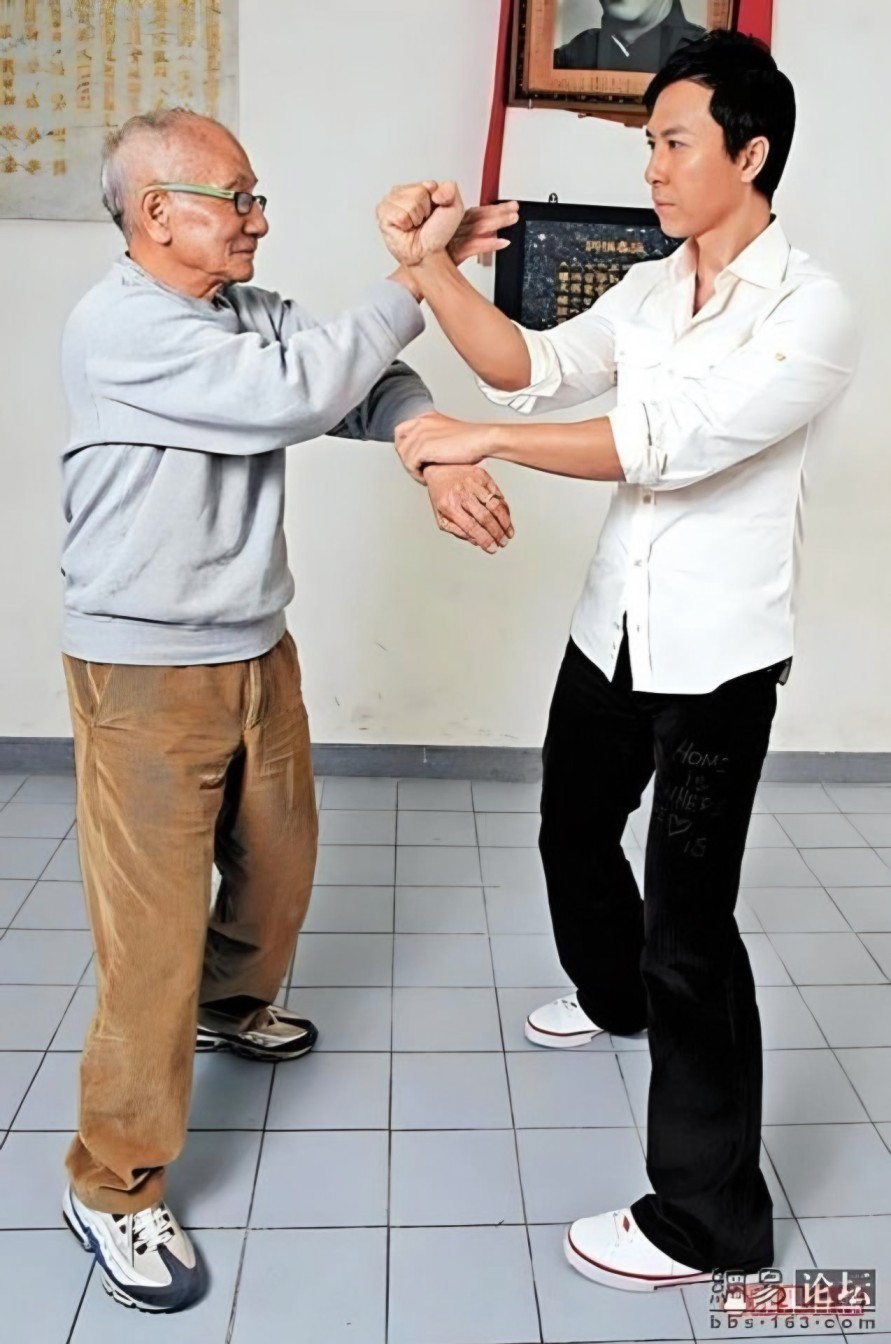
Donnie wasn’t new to martial arts; his mother, Bow-sim Mark, was a famous martial artist who trained him in multiple styles. However, Wing Chun was a new discipline for him, one that required deep understanding and subtlety. Ip Chun took on the task seriously, overseeing Donnie’s training over several months leading up to filming. Along with Ip Chun, two key consultants helped guide the process: Leo Au-yeung, a Wing Chun student, and To Yu-hang, a Changquan gold medalist known for his skillful martial arts choreography. They worked together to make sure every move in the film was accurate, from the famous wooden dummy forms to the sticky hands drills (Chi Sau). Training was intense and detailed, focused on both form and the philosophy behind each motion. This period took place primarily in early 2007, giving Donnie time to internalize the art before shooting began.
Discipline and Philosophy
Wing Chun isn’t about flashy moves; it’s a martial art rooted in efficiency and control. Donnie learned this firsthand, practicing concepts like the centerline theory, which emphasizes defending and attacking along a straight path to minimize wasted movement. Ip Chun emphasized calmness and precision, qualities his father embodied throughout his life. Donnie spent countless hours drilling footwork, sticky hands, and wooden dummy techniques to grasp the internal mindset behind the art. Unlike many martial arts movies that prioritize spectacle, Ip Man sought to honor the subtlety and realism of Wing Chun. This philosophy deeply influenced Donnie’s portrayal, bringing a quiet strength and controlled power to his performance. The training shaped not only his skills but also his understanding of Ip Man’s character.
The Relationship Deepens
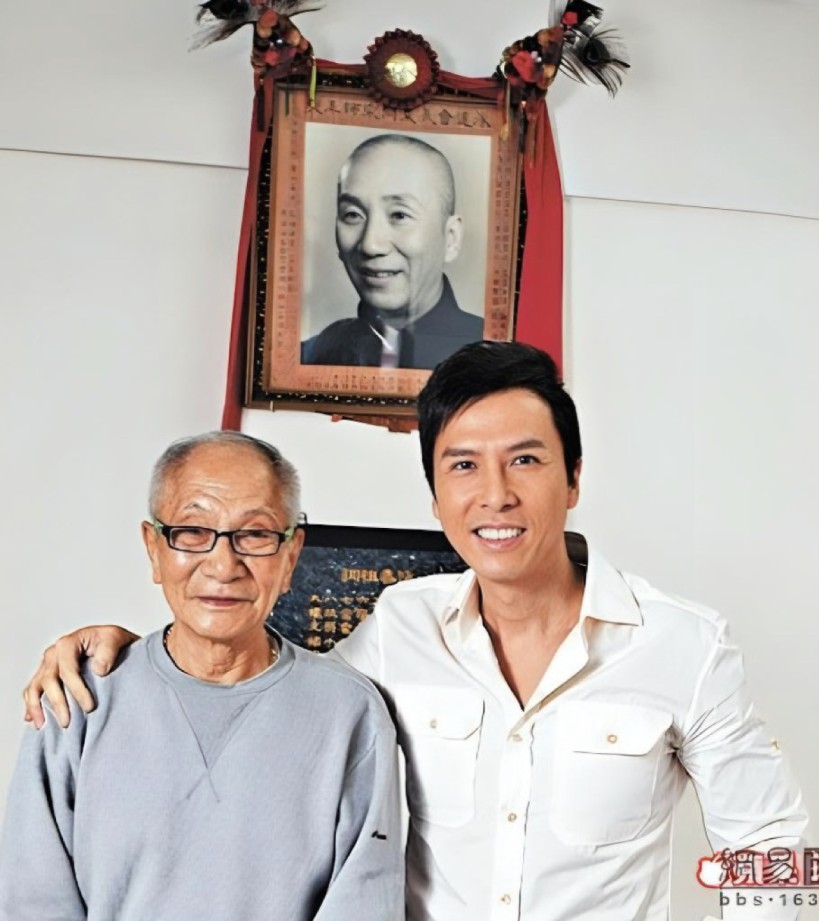
Ip Chun was in his early 80s during training but demonstrated sharpness and expertise that inspired Donnie. The sessions were often quiet but intense, with Ip Chun correcting posture and refining technique with gentle but firm guidance. Donnie recalls subtle moments — a tap on the shoulder, a shift in stance — that transformed his understanding of the martial art. Their growing respect for each other went beyond teacher and student; it was a shared mission to preserve and pass on Ip Man’s legacy. Ip Chun’s trust in Donnie grew as he saw the actor’s dedication and humility. By mid-2007, Donnie had developed a profound connection to both the art and the man behind it. This bond became the emotional backbone of the film’s story.
On Set Transformation
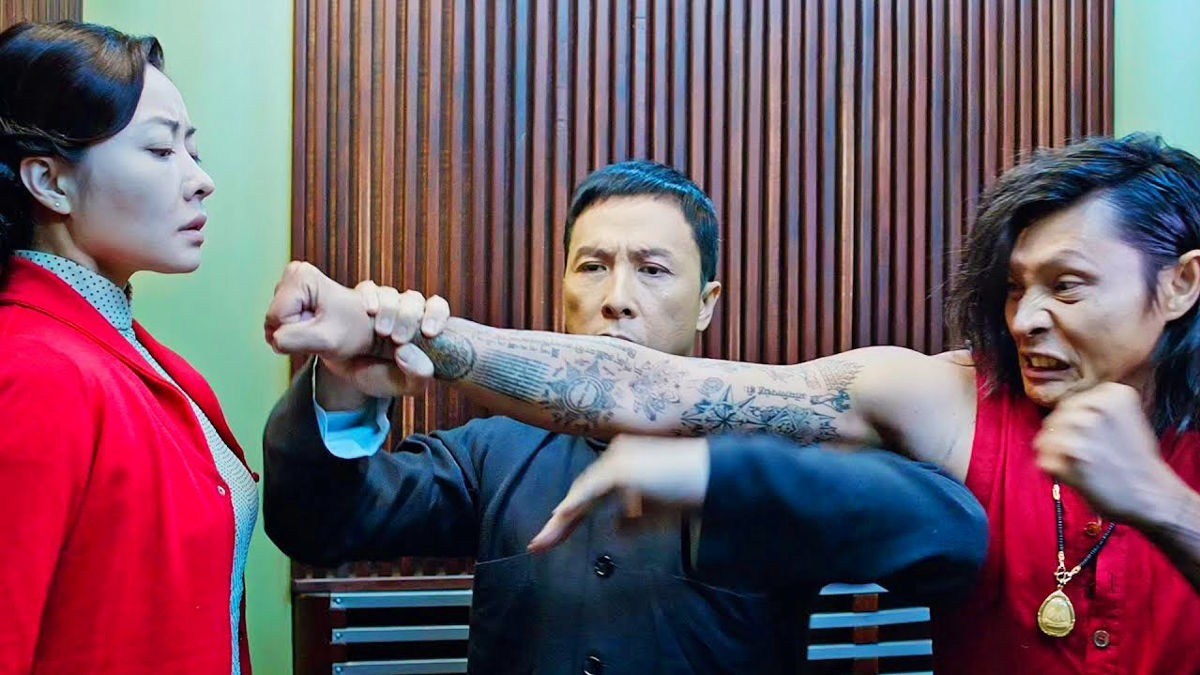
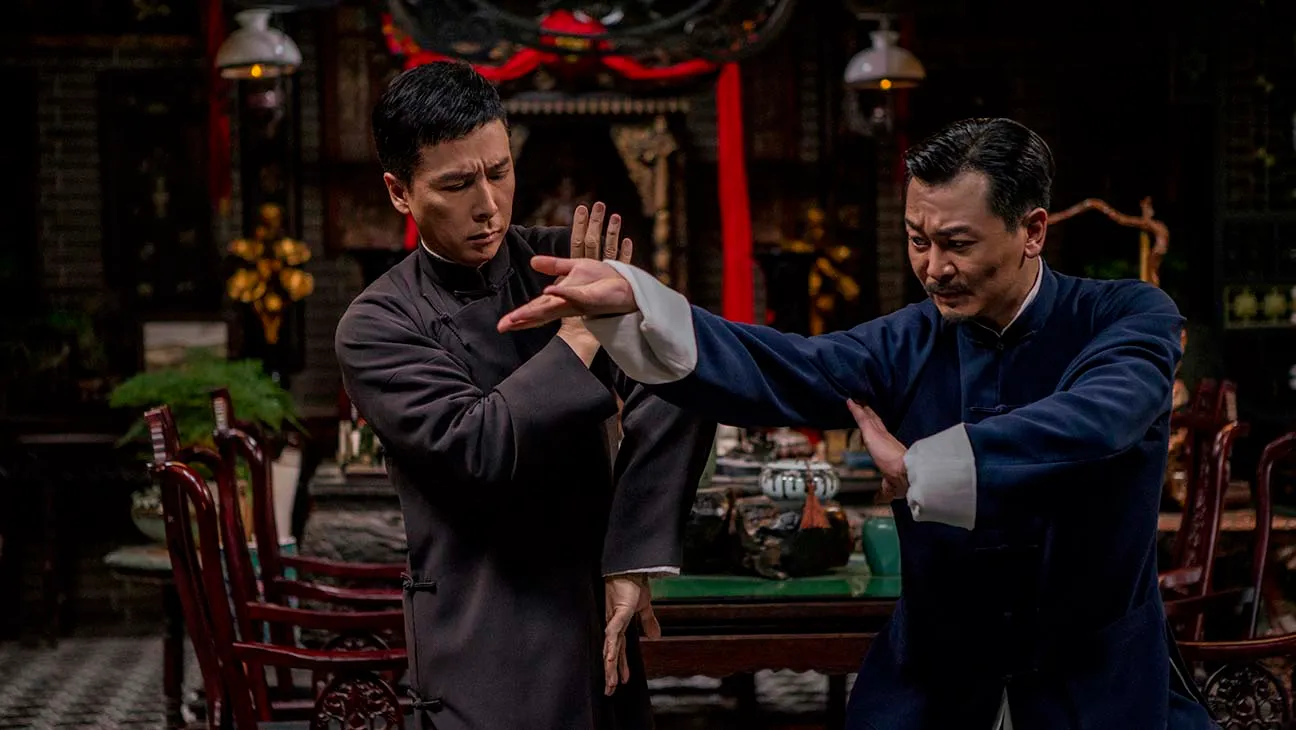
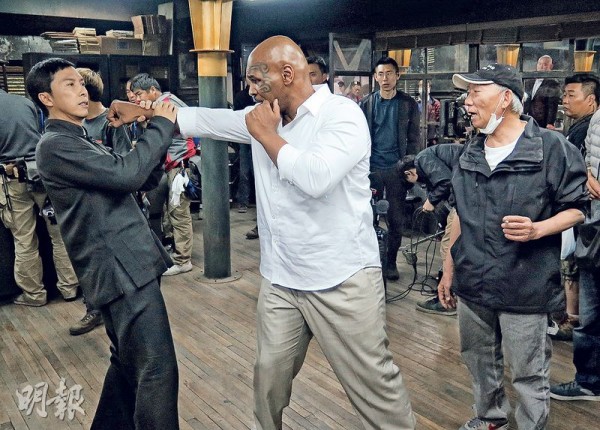
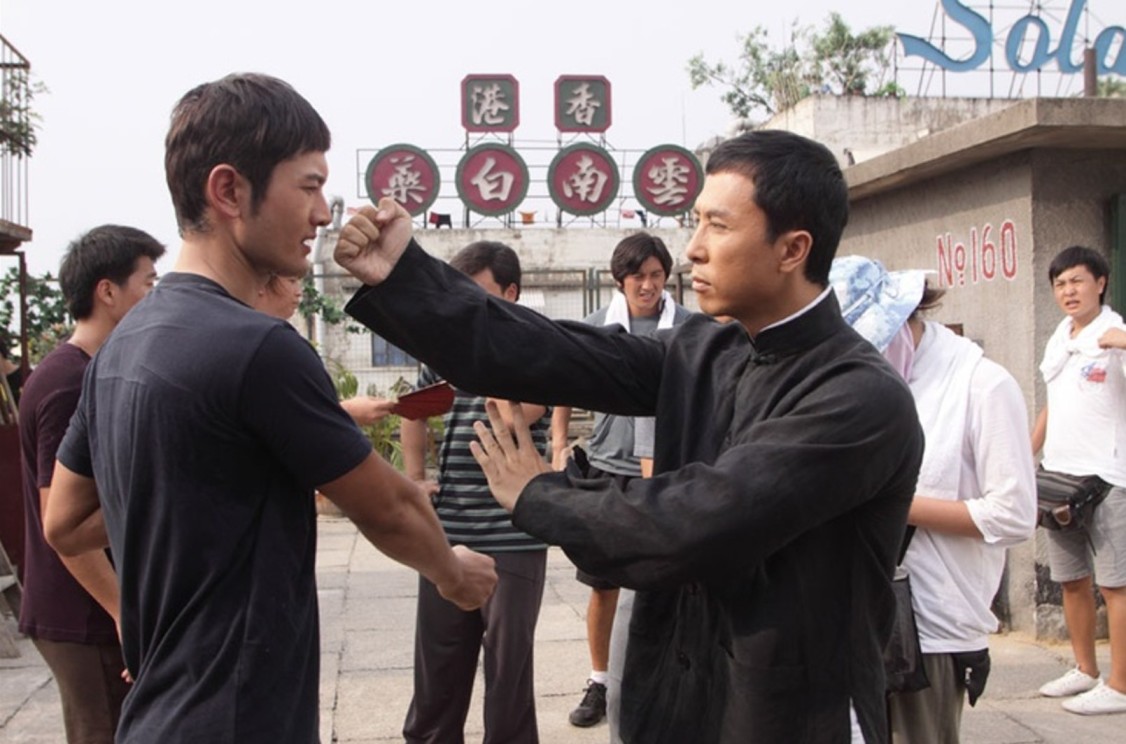
Filming began in late 2007, with Donnie stepping into Ip Man’s shoes fully prepared. Director Wilson Yip noticed that Donnie’s movements weren’t just choreography — they were lived experience. The scenes captured a calm, poised fighter who used technique over brute strength, reflecting Ip Man’s real style. Donnie’s performance resonated authenticity, which made the film stand out from typical martial arts movies of the time. The crew often remarked on how natural and effortless his Wing Chun appeared on camera. This transformation was the result of months of dedicated training, storytelling, and deep immersion in the character. The result was a film that felt honest and respectful to Ip Man’s memory.
Ip Chun’s Approval
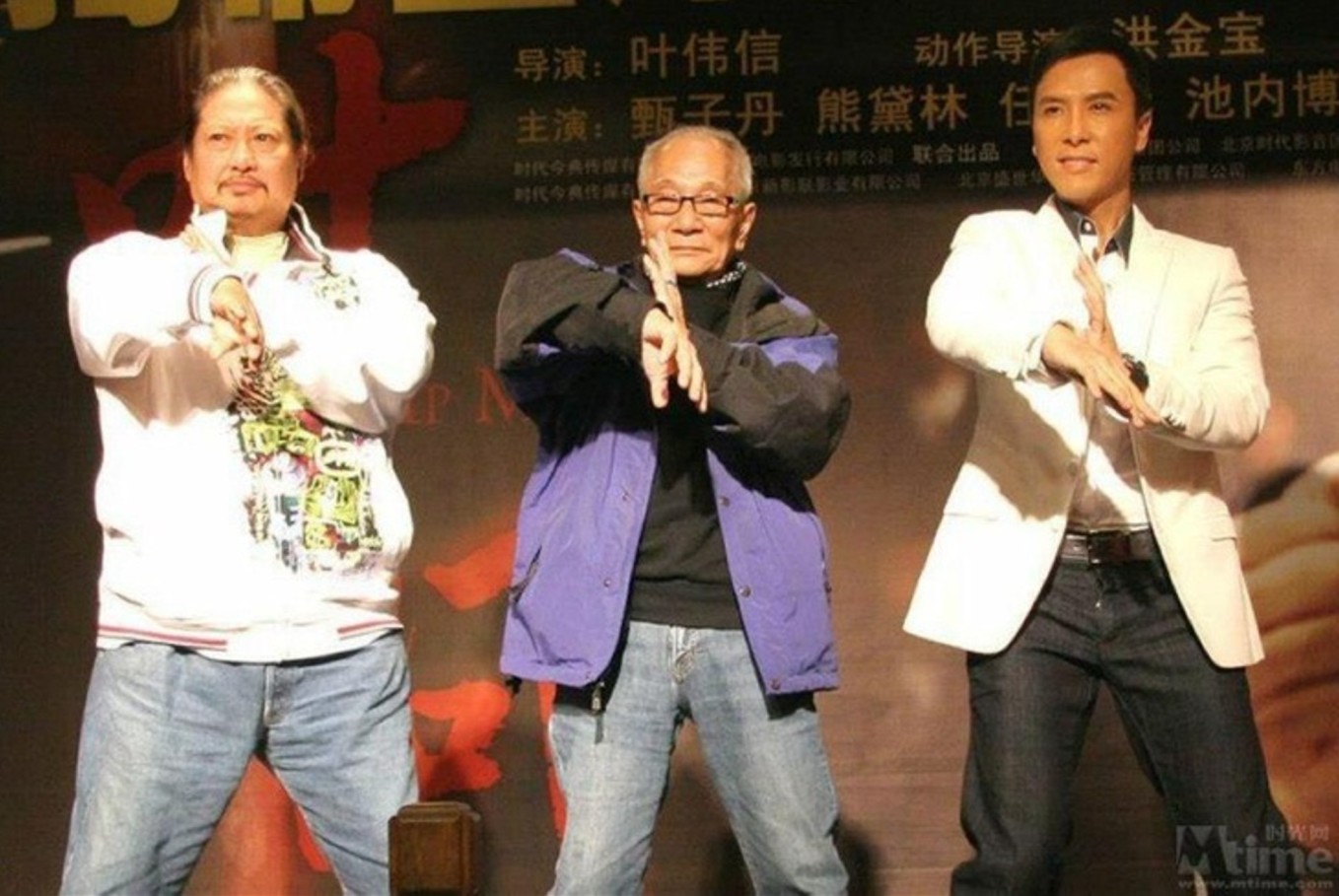
After the film’s completion in early 2008, Ip Chun publicly praised Donnie Yen’s portrayal. He said that the film captured not just the techniques but the spirit of his father — calm, honorable, and disciplined. Ip Chun even made a cameo appearance in Ip Man 2 (released in 2010), further showing his support. This endorsement was crucial, as it connected the film to the real Wing Chun lineage. For Donnie, Ip Chun’s approval was the highest compliment, validating his hard work. It also reassured fans and practitioners worldwide that the film honored the legacy properly. This seal of approval helped make Ip Man a beloved classic.
Behind the Scenes Stories
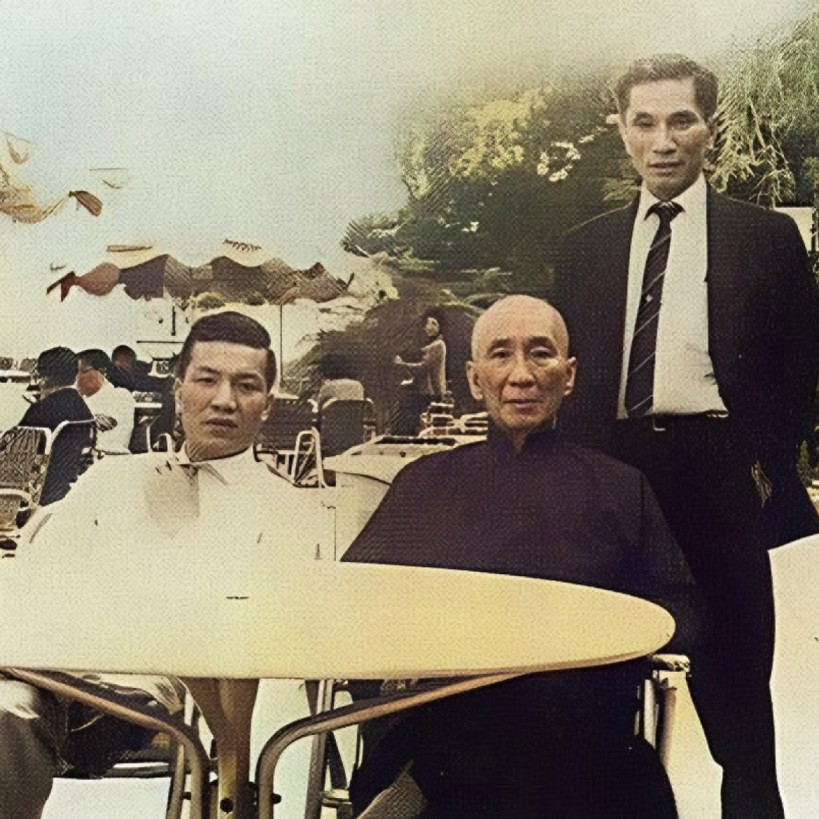
Off-camera, Ip Chun shared stories about his father’s life, giving Donnie insight into the man behind the legend. He spoke about Ip Man’s humility, his refusal to use martial arts for unnecessary violence, and his dedication to teaching. These stories weren’t scripted but deeply influenced Donnie’s portrayal. He learned that Ip Man was as much a teacher and philosopher as a fighter. These moments added depth to scenes where Donnie’s character reflects calm strength rather than aggression. This behind-the-scenes mentorship gave the film emotional weight and authenticity that resonated with audiences. It also strengthened the bond between Donnie and Ip Chun beyond the film.
A Long-Awaited Film
The Ip Man biopic idea had been circulating for over thirty years before finally coming to life in 2008. Donnie Yen was originally slated to play Ip Man in an earlier 1997 project that never finished filming, which would have also featured Stephen Chow as Bruce Lee. Only one day of shooting took place before the project was canceled due to production issues. The eventual 2008 film was directed by Wilson Yip and had a fresh team dedicated to doing justice to Ip Man’s story. The timing proved perfect, as audiences worldwide embraced the film. It revived interest in Wing Chun and Chinese martial arts cinema in a big way. This film became the definitive portrayal of Ip Man for a new generation.
Wing Chun’s Global Rise
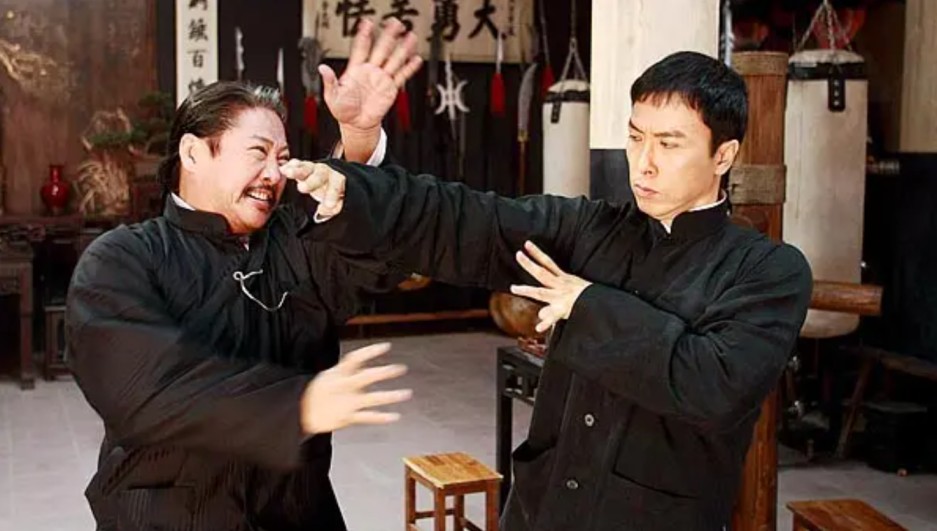
Thanks largely to Donnie Yen’s performance, Wing Chun’s popularity soared after Ip Man hit theaters. Martial arts schools worldwide reported a surge in students wanting to learn the style. Ip Chun himself noted that the film helped bring his father’s legacy to a global audience like never before. The film sparked renewed respect for traditional martial arts philosophies emphasizing control and discipline over flashy moves. It also introduced many people to the historical context of Wing Chun and its famous practitioners. This global rise of Wing Chun is often credited as one of the film’s most lasting impacts. Donnie Yen’s commitment to authenticity played a huge role in this resurgence.
A Lasting Bond and Legacy
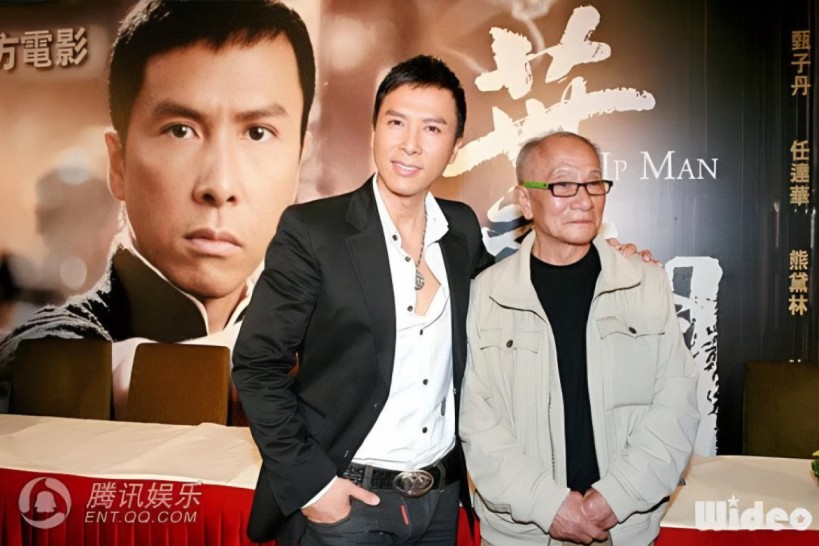
Even after filming, Donnie Yen and Ip Chun maintained a close relationship grounded in respect and friendship. Donnie credits Ip Chun not just for teaching him Wing Chun but for helping him understand the deeper spirit of Ip Man. Their bond extended beyond martial arts, reflecting a shared mission to preserve and honor a legacy. This connection gave Donnie’s performance a rare emotional depth that fans continue to admire. The Ip Man series remains a powerful testament to master-student relationships and cultural heritage. It’s more than a film — it’s a living legacy passed down through generations. For Donnie Yen, Ip Chun, and fans worldwide, that legacy continues to inspire.